


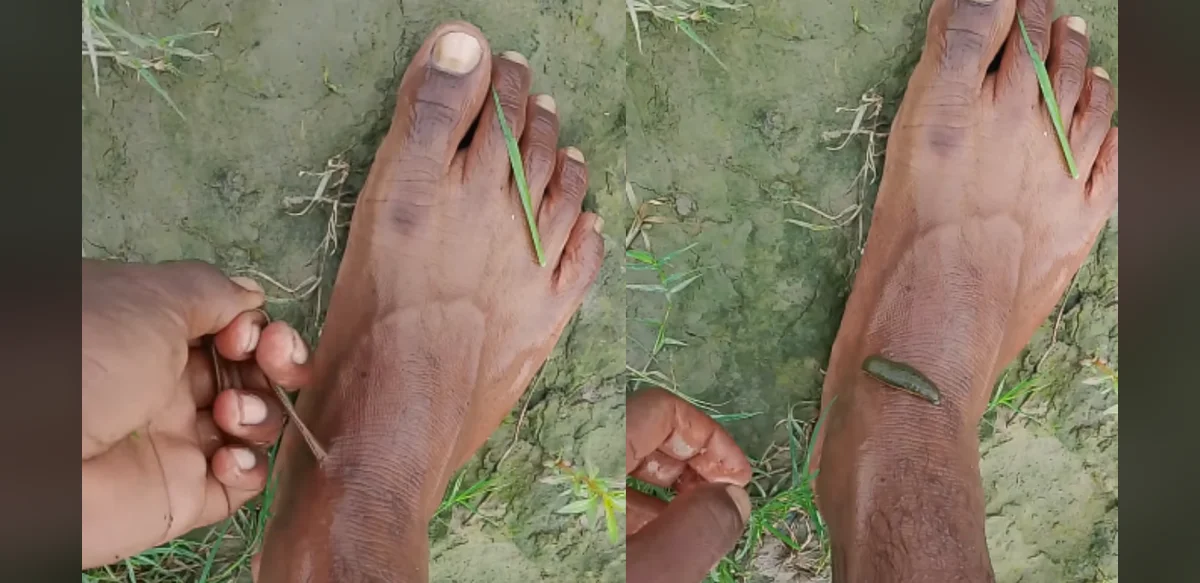
Leeches commonly appear in wooded areas and marshy regions, particularly when rainfall increases moisture levels in the environment. Hikers and outdoor enthusiasts may encounter these creatures without prior notice, leading to attachment on exposed skin such as the feet or legs. The initial reaction often involves surprise, yet maintaining composure remains essential to handle the situation without complications.
One reliable approach involves applying salt or vinegar directly to the leech. These substances encourage the creature to release its hold gradually, minimizing any potential discomfort during the process. Users should apply the material sparingly and allow time for the detachment to occur naturally rather than forcing removal.
An alternative method uses the edge of a fingernail to gently loosen the leech’s attachment points. This technique focuses on breaking the suction without abrupt pulling, which could leave parts behind or cause minor irritation. Once free, the area requires thorough cleaning with water and soap to reduce infection risks.
Following detachment, applying gentle pressure helps control any minor bleeding that might occur at the site. An antiseptic solution can then be used to further protect the skin. Monitoring the spot over the next few days ensures proper healing and allows for prompt attention if any unusual signs appear.
Prevention plays a key role in avoiding such encounters altogether. Wearing long clothing, using repellents suited for wet environments, and checking the body regularly after time spent in forests or wetlands can limit opportunities for attachment. Staying on marked paths also reduces exposure in high-risk zones during wet seasons.
Understanding leech behavior contributes to better preparedness. These organisms seek moisture and warmth, often becoming active after rains when trails turn damp. Education on basic removal steps empowers individuals to respond effectively without panic, preserving both personal safety and the surrounding ecosystem balance.
Communities near natural reserves sometimes share local knowledge on handling these situations, emphasizing simple household items over specialized tools. This approach aligns with practical outdoor safety guidelines promoted by health organizations focused on recreational activities.
In summary, calm and methodical actions form the foundation of safe leech removal. Salt, vinegar, or careful fingernail use combined with proper aftercare address the immediate issue while supporting recovery. Continued awareness of environmental conditions helps minimize future incidents for those who enjoy nature exploration.

