


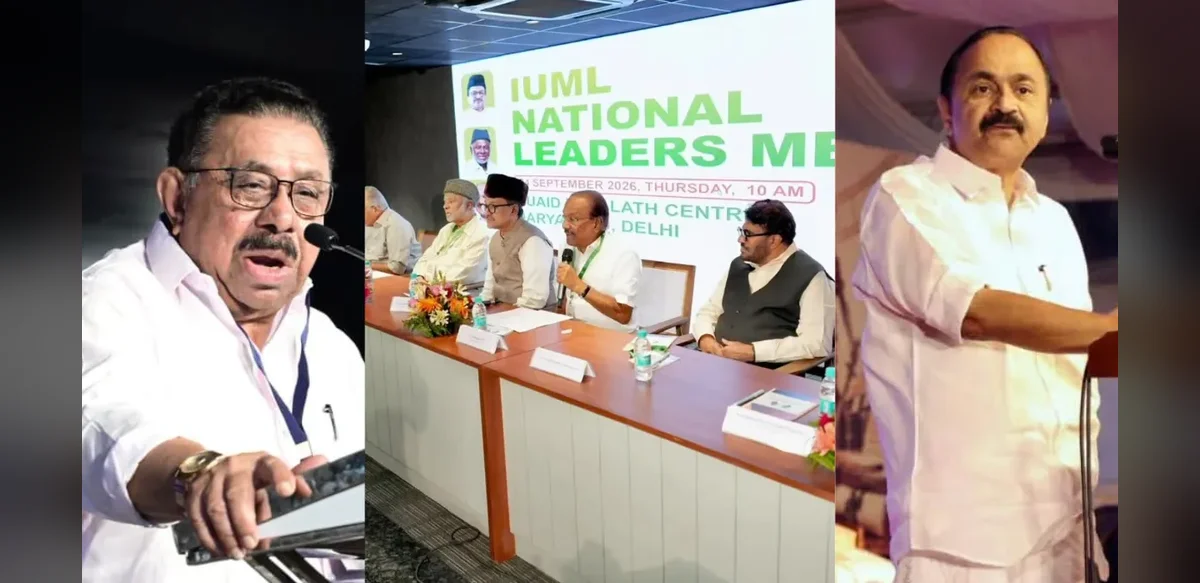
Tensions have surfaced within the Congress party in Kerala regarding delays in filling leadership positions across state boards and corporations. These appointments have remained pending for over six months, leading to expressions of frustration from multiple senior figures. The situation involves claims of uneven distribution of roles among coalition partners in the United Democratic Front, particularly concerning the share assigned to the Indian Union Muslim League. Reports indicate that decisions on these matters have been handled through limited consultations, prompting dissatisfaction among various party factions.
Senior leader M.M. Hassan recently addressed the media following an online gathering of state committee office bearers. He highlighted widespread discontent across different sections of the party, not limited to any single group. Hassan called for prompt resolution of the pending appointments while clarifying that he did not view the League’s requests as receiving undue priority. He noted that the League, as the second largest partner in the front, holds a legitimate claim to its portion of positions. Hassan avoided commenting on internal government disagreements, directing such queries to the chief minister and relevant ministers.
The A-Group faction within Congress has intensified its objections to the appointment process. This group contends that key decisions have been made by the chief minister, the home minister, and the state party president without adequate input from faction representatives. Discussions among prominent A-Group figures, including former ministers and current parliament members, have reportedly conveyed these concerns directly to leadership. Should the issues persist without resolution, the group may escalate matters to the national party president and general secretaries overseeing the state.
Additional coalition partners, such as Kerala Congress (Joseph) and the Revolutionary Socialist Party, have also voiced concerns about the allocation of posts. Party workers and leaders from the main Congress unit feel their organization has not secured an appropriate number of roles relative to its size. These unresolved matters could complicate efforts to maintain smooth operations in both party affairs and government functions if left unaddressed.
Separately, differences have emerged concerning electricity procurement agreements. The power minister stated that no incorrect information had been provided to the chief minister by the state electricity board. This position contrasts with earlier remarks suggesting an urgent need for external power purchases based on an October report. Subsequent assessments indicated that shortages were not anticipated, leading to questions about the necessity of certain contracts. The chief minister referenced examinations of options for cost-effective purchases and noted that pressure had been applied in some quarters to finalize specific deals.
The power minister emphasized that the proposed agreement with a private entity under the general network access framework was deemed impractical. He pointed out rising power demands in the state, with requirements increasing by approximately one thousand megawatts annually. Communication of these needs to the board has occurred repeatedly without any undue influence, according to the minister. Questions regarding consultation practices within the front were met with a preference to avoid public discussion on the topic.
The front convener has raised similar points about decision-making processes occurring without broader input from constituent parties. Calls for convening meetings of the alliance have gone unheeded in some instances. National party instructions discourage public criticism among leaders, yet several complaints remain open. The state party presidency continues to be held by the power minister, with no immediate successor identified, adding further layers to ongoing leadership questions.
These developments reflect broader challenges in balancing internal party dynamics with coalition responsibilities. The combination of appointment delays, allocation disputes, and policy disagreements on energy matters has created an environment of uncertainty. Observers note that timely interventions from central leadership may be required to restore cohesion and ensure effective governance. The situation underscores the complexities of managing diverse interests within a multi-party alliance in the state.

