

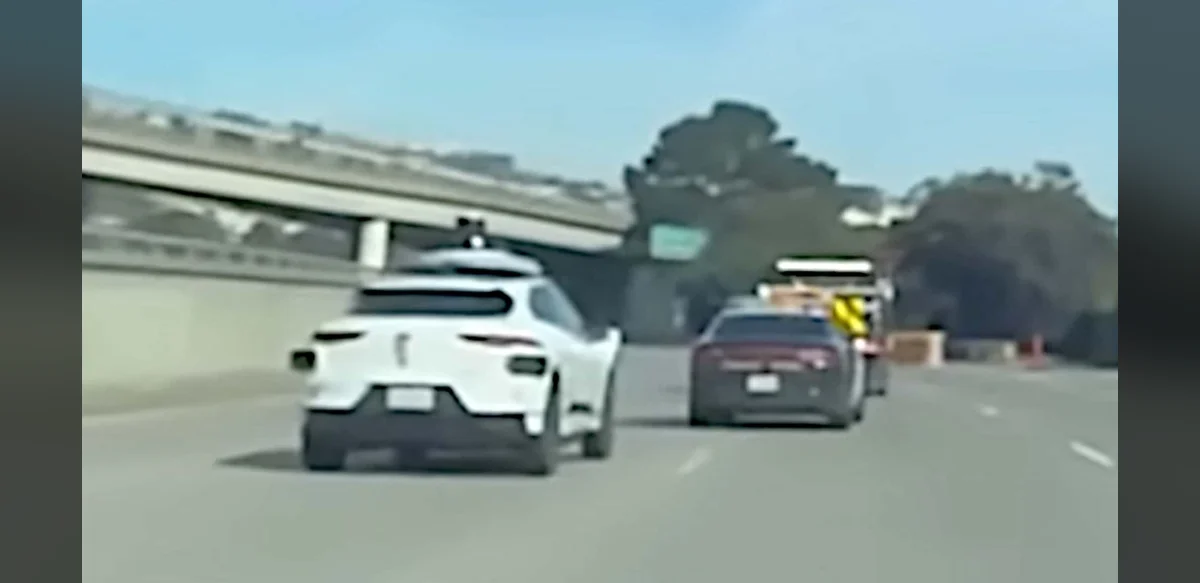
A Waymo robotaxi operating without a driver came to a stop on Interstate 280 in California after California Highway Patrol officers initiated a traffic break. The maneuver involved patrol vehicles positioning themselves to close gaps in traffic flow and direct the autonomous vehicle back into a line of stopped cars. This incident highlights routine interactions between advanced driver assistance systems and law enforcement protocols on busy roadways.
Traffic breaks are standard procedures used by highway patrol units to manage congestion or clear paths for emergency responses. In this case the action prevented the robotaxi from advancing past the patrol formation. Officers directed the vehicle to merge with halted traffic rather than allowing it to continue forward. The event occurred without reported injuries or property damage.
Waymo vehicles have been deployed in several California regions for passenger transport services. These cars rely on sensor arrays and mapping data to navigate public roads. When encountering official traffic control measures the systems are designed to respond by slowing or stopping as needed. The recent occurrence on I-280 demonstrates how such technology integrates with existing law enforcement practices.
Observers noted that the robotaxi maintained its position once the traffic break concluded. No further intervention from remote operators was required according to available reports. The situation resolved when normal traffic patterns resumed. This type of encounter is not uncommon as autonomous fleets expand their operational areas.
Highway authorities continue to monitor interactions between driverless vehicles and traditional traffic management techniques. Data from these events can inform updates to both vehicle software and patrol procedures. The focus remains on maintaining safety for all road users during periods of controlled flow.
The I-280 corridor carries significant daily volume between major urban centers. Interruptions such as traffic breaks help prevent secondary incidents during peak hours. Autonomous vehicles must interpret these dynamic conditions accurately to avoid conflicts with emergency personnel. The Waymo unit in question complied with the directions issued by officers on scene.
Further review of onboard recordings may provide additional insight into the decision making process of the vehicle. Such reviews are part of standard post incident analysis for companies operating self driving technology. The goal is to refine algorithms that handle unexpected obstacles including official vehicles performing traffic control duties.
Public interest in autonomous transportation continues to grow alongside deployment numbers. Incidents like the one on I-280 offer opportunities to examine real world performance under variable conditions. Neutral observers emphasize the importance of clear communication between technology providers and regulatory bodies.
Overall the event concluded without escalation. The robotaxi rejoined the flow of traffic once the patrol action ended. This outcome aligns with expectations for vehicles programmed to yield to law enforcement directives. Continued observation will help assess long term compatibility between emerging mobility solutions and established highway operations.