


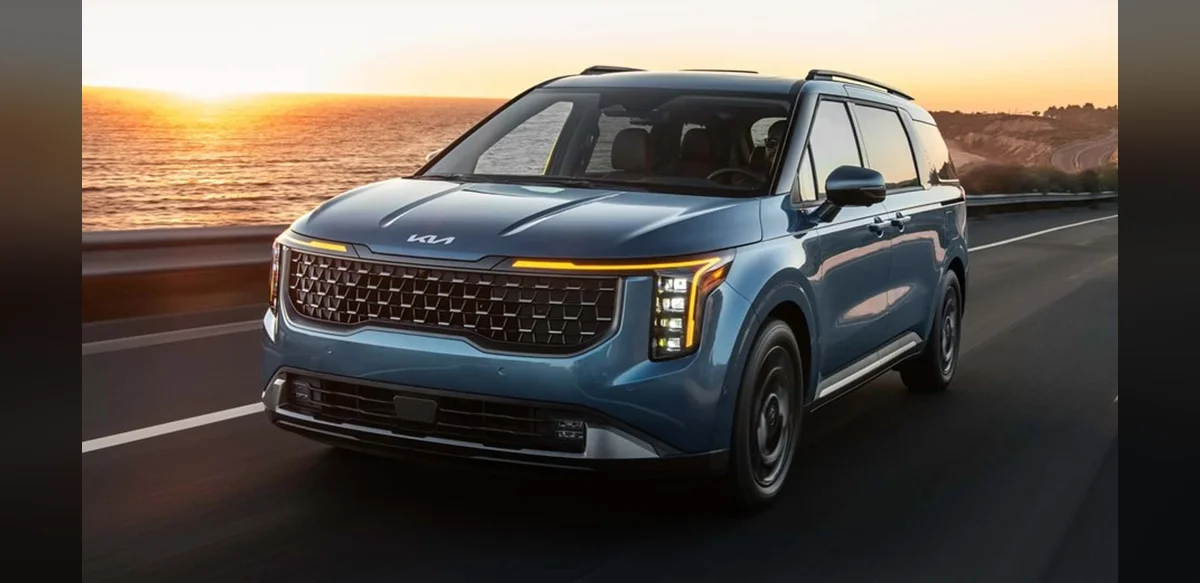
Recent information from an internal document has surfaced regarding production strategies at Kia facilities in Korea. The material, linked to the Employment Stability Committee, describes upcoming vehicle programs scheduled through 2029. Among the models referenced is a hydrogen fueled version of the Carnival minivan along with an EV7 sport utility vehicle, a hybrid edition of the Sorento, and the Tasman. These details point to a range of powertrain options being prepared at the manufacturing sites.
The document outlines timelines and resource allocation for these projects without providing extensive technical specifications. Industry observers note that such planning documents often serve to maintain workforce stability by signaling future production needs. The inclusion of a hydrogen powered minivan reflects ongoing exploration of alternative fuel technologies alongside battery electric and hybrid systems.
Production of the EV7 SUV is listed as part of the broader schedule, indicating continued development in the electric vehicle segment. The Sorento Hybrid appears in the same planning framework, suggesting a balanced approach that incorporates multiple energy sources. The Tasman model is also mentioned, completing the set of vehicles tied to the Korean operations through the end of the decade.
Overall the leaked material provides a high level overview of model introductions rather than detailed engineering data. It emphasizes continuity in manufacturing activities and employment considerations at the affected plants. No additional models beyond those four are referenced in the available excerpts.
The focus on hydrogen technology for the Carnival variant aligns with wider automotive trends toward diversified propulsion methods. At the same time the presence of the EV7 and Sorento Hybrid shows parallel investment in electrified options. The Tasman rounds out the lineup with its own production slot.
This planning approach allows the company to adjust output based on market reception and regulatory changes over the coming years. The document serves primarily as an internal guide for staffing and facility preparation rather than a public announcement. Observers expect further details to emerge only if official confirmations are issued.
In summary the report centers on four specific vehicle programs intended for Korean factories. The hydrogen Carnival, EV7 SUV, Sorento Hybrid, and Tasman are positioned within a timeline extending to 2029. Such outlines help maintain operational predictability while exploring new propulsion avenues.
Further analysis of similar documents from other manufacturers shows comparable strategies for long term model pipelines. The emphasis remains on steady employment and gradual introduction of varied powertrains. No immediate production start dates are specified beyond the overall horizon.
The information remains limited to the models and general timeframe mentioned. Additional context on supply chains or component sourcing is absent from the disclosed sections. This keeps the scope strictly on the vehicle programs themselves.
Readers should treat the material as preliminary until verified through official channels. The core facts center on the listed models and their association with Korean manufacturing plans through 2029.

