


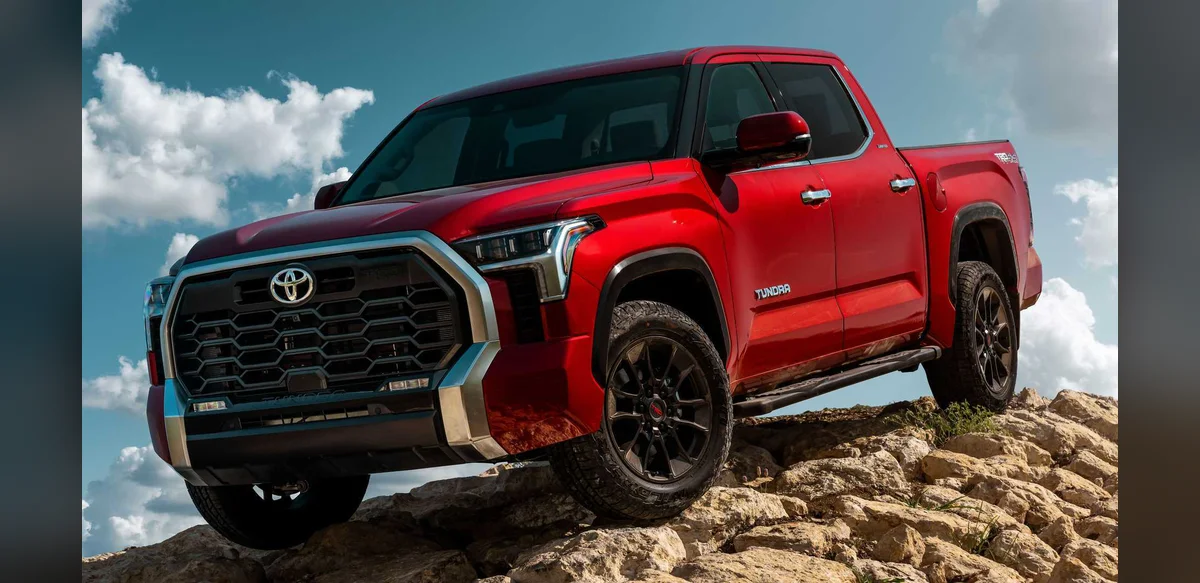
Toyota has initiated a recall involving approximately 62,000 non-hybrid Tundra pickup trucks. The action addresses a potential issue with the camshaft components that could lead to breakage during operation. This development applies to specific model years and focuses on ensuring vehicle safety for owners.
The recall targets non-hybrid versions of the Tundra line. Officials have outlined the affected production periods along with details on the mechanical risk involved. In cases where the camshaft fails, it may result in unexpected engine behavior while the vehicle is in use.
Vehicle owners are advised to follow recommended inspection procedures at authorized service locations. These steps involve checking the camshaft assembly for signs of weakness or manufacturing defects. The process is designed to identify any units that require attention before further operation.
Replacement of the affected parts will be provided at no cost to owners. Timing for the repairs depends on parts availability and scheduling at service centers. Toyota has communicated that the work will be completed as quickly as possible once vehicles are brought in for evaluation.
This recall underscores standard practices in the automotive sector for addressing component concerns. Manufacturers routinely monitor production quality and issue notifications when potential problems are identified through testing or field reports. Owners who receive official notices are encouraged to act promptly to maintain vehicle reliability.
The company has provided guidance on how to determine if a particular truck falls under the recall scope. Identification typically involves checking the vehicle identification number against the list of affected units. Resources are available through official channels to assist with this verification.
Safety remains a primary consideration in such matters. Potential camshaft issues could affect engine performance, prompting the proactive measure to prevent incidents. Drivers are reminded to monitor their vehicles for any unusual sounds or performance changes and to seek professional assessment if concerns arise.
Broader context around vehicle recalls highlights the role of regulatory oversight in maintaining industry standards. Agencies review manufacturer submissions and ensure that corrective actions meet established criteria. This framework helps protect consumers and supports consistent quality across different vehicle models.
Toyota continues to work with suppliers and internal teams to resolve the camshaft matter efficiently. Updates on the recall progress will be shared as additional information becomes available. Owners can contact customer support lines for personalized assistance regarding their vehicles.
The recall process includes documentation of all inspections and replacements performed. This record-keeping supports transparency and allows for tracking of completion rates across the affected fleet. Service centers are equipped to handle the volume of vehicles expected to arrive for checks.
In summary, the initiative covers the specified number of trucks and focuses on the identified component risk. Affected owners should schedule inspections and take advantage of the free repair option to address the concern fully. Further details on affected years and exact procedures are outlined in official recall documentation distributed to registered owners.

