


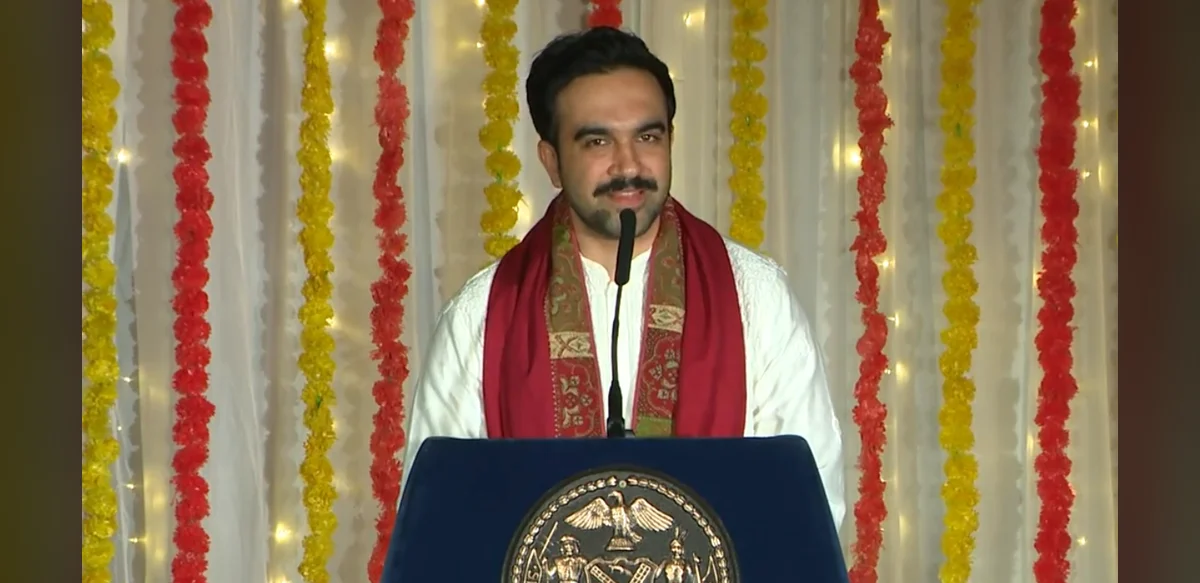
In a recent address during a cultural festival marking the festival of lights, the mayor highlighted the importance of addressing incidents of prejudice directed toward members of the Indian-American community. The speech took place amid growing reports of bias-related events affecting individuals of South Asian descent in various parts of the country. Officials stressed that combating such attitudes requires shared effort from all segments of society to promote safety and inclusion for everyone, including those from Hindu and Sikh backgrounds.
The mayor pointed out that recent occurrences have raised concerns about the well-being of diaspora populations. He called on residents and leaders alike to take proactive steps in fostering environments free from hostility. This message resonated with attendees who had come together to celebrate traditions that hold deep cultural significance for many families with roots in the Indian subcontinent.
Separately, a group of thirteen federal legislators has formally asked authorities to launch an inquiry into an interruption that occurred at a similar festival event held in Seattle. The lawmakers cited this episode as part of a broader set of troubling developments involving negative sentiments toward people from South Asian origins across multiple regions. They expressed hope that a thorough review would help identify patterns and lead to measures that prevent future disruptions.
Community leaders have noted that festivals like this one serve as important occasions for preserving heritage while also building bridges with wider society. Participants often share stories of migration, adaptation, and contribution to local economies and civic life. Such gatherings underscore the role of diaspora groups in enriching the social fabric of their adopted homes.
Reports of bias have prompted discussions among advocacy organizations about the need for education and awareness programs. These initiatives aim to dispel misconceptions and encourage dialogue between different cultural groups. Experts suggest that early intervention through schools and workplaces can reduce the likelihood of isolated incidents escalating into larger issues.
The mayor’s remarks come at a time when national conversations about diversity and acceptance continue to evolve. He emphasized that protecting the rights of all residents, regardless of background, remains a core responsibility of public officials. This stance aligns with ongoing efforts to strengthen community bonds in urban areas with significant immigrant populations.
Lawmakers involved in the request for investigation have underscored the value of federal oversight in cases that may cross state lines or involve coordinated activities. They believe that coordinated responses can provide clearer insights into the scope of the problem and support the development of effective policies. Data collection on such incidents is seen as a critical first step toward meaningful change.
For many families, participation in these annual celebrations offers a sense of continuity and belonging. Elders pass down customs to younger generations, while newcomers find opportunities to connect with others who share similar experiences. The presence of elected representatives at such events signals recognition of the community’s contributions and concerns.
Observers have pointed out that addressing prejudice requires sustained attention rather than one-time statements. Follow-up actions, such as public forums and partnerships with local groups, can help translate words into tangible outcomes. The mayor indicated willingness to work with various stakeholders to explore practical solutions tailored to the needs of affected neighborhoods.
The Seattle incident has drawn attention to the challenges faced by organizers of cultural events when unexpected disturbances arise. Security considerations and contingency planning have become topics of discussion among those responsible for hosting large gatherings. Ensuring that participants feel secure remains a priority for event planners across the country.
Overall, the situation reflects broader themes of integration and mutual respect within multicultural societies. By focusing on shared values and common goals, communities can work toward reducing divisions and promoting harmony. The call for collective responsibility serves as a reminder that progress depends on the active involvement of individuals from all walks of life.
Additional context from similar past events shows that open communication channels between officials and community representatives can lead to improved understanding. Regular meetings and feedback mechanisms allow concerns to be raised promptly and addressed effectively. This approach has proven useful in other cities with diverse populations.
As the festival season continues, attention remains on how local and national leaders respond to emerging issues. The emphasis on unity and vigilance against bias provides a framework for ongoing efforts. Residents are encouraged to report any suspicious activities and to participate in initiatives that celebrate cultural diversity.
In conclusion, the mayor’s address and the lawmakers’ request highlight the intersection of cultural celebration and civic responsibility. They serve as prompts for reflection on how societies can better support all their members. Continued dialogue and action will be essential in building resilient communities that value inclusion and reject hostility in all its forms.

