


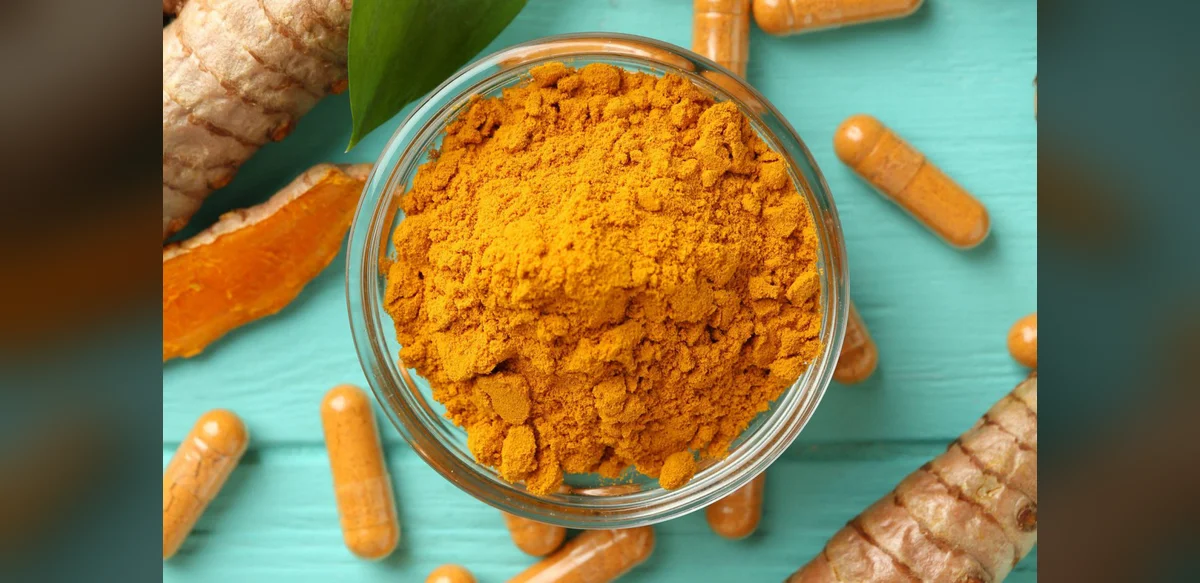
A detailed analysis of multiple clinical trials has concluded that turmeric supplements do not produce significant improvements in the daily well-being of individuals suffering from knee osteoarthritis. Researchers examined data from various studies to assess the impact of these supplements on patient-reported outcomes related to physical function and comfort.
Knee osteoarthritis is a common joint condition that affects millions worldwide, often leading to stiffness and reduced mobility. Many people turn to dietary supplements in hopes of managing symptoms without relying solely on conventional medications. Turmeric, known for its active compound curcumin, has been promoted in some circles for its potential anti-inflammatory properties.
The review process involved scrutinizing randomized controlled trials that compared turmeric supplementation against placebos or standard care. Outcomes focused on quality-of-life measures, including assessments of pain interference with daily activities and overall satisfaction with physical health. Results consistently showed that any observed changes fell below thresholds considered clinically meaningful.
Experts involved in the analysis emphasized the importance of rigorous evidence when evaluating complementary therapies. While some smaller studies had suggested possible short-term benefits, larger and better-designed trials failed to replicate those findings. This discrepancy highlights challenges in supplement research, such as variations in dosage, product quality, and participant characteristics.
Patients considering turmeric supplements are advised to consult healthcare providers before starting any new regimen. Standard approaches to managing knee osteoarthritis typically include physical therapy, weight management, and approved pain-relief options when necessary. The current findings reinforce the value of evidence-based strategies over unproven alternatives.
Further investigation may explore whether specific formulations or combinations with other interventions could yield different results. However, based on available trial data, turmeric supplements alone appear unlikely to enhance quality of life for those with this condition. Public health organizations continue to stress the need for transparent communication about supplement efficacy.
The study authors noted limitations in existing research, including short trial durations and inconsistent reporting of side effects. Future work could benefit from standardized protocols to better determine any subtle effects that might emerge over longer periods. In the meantime, individuals are encouraged to prioritize proven lifestyle modifications.
Overall, this comprehensive evaluation adds to the body of knowledge guiding treatment decisions for osteoarthritis. It underscores the necessity of distinguishing between preliminary observations and robust clinical evidence when assessing popular remedies.

