


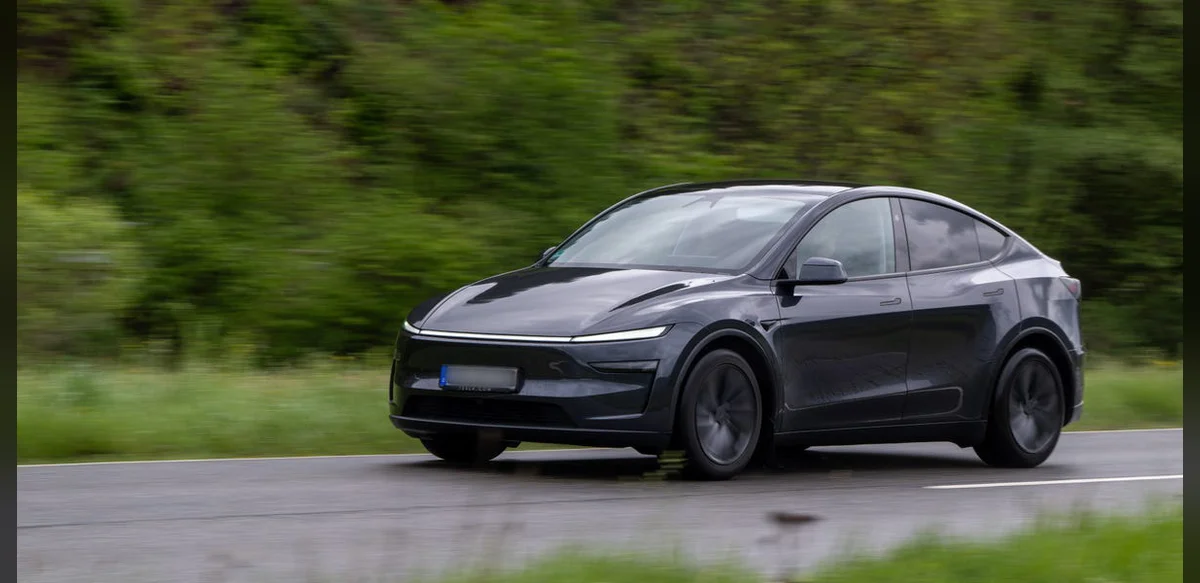
Tesla has announced intentions to develop a version of its Model Y vehicle that operates without any steering wheel as part of efforts to expand its robotaxi offerings. The design aims to maximize interior space for additional passengers by removing traditional driver controls. This approach aligns with the company’s focus on fully autonomous transportation solutions.
The statement highlights a shift toward vehicles built specifically for ride services rather than personal ownership. By eliminating the steering wheel, the layout could accommodate more seating configurations suited to shared mobility. Such modifications reflect ongoing work in autonomous systems that prioritize passenger capacity and efficiency.
Industry observers note that removing manual controls represents a significant step in vehicle architecture for automated fleets. The Model Y platform, already used in electric vehicle production, would undergo adaptations to support this driverless format. These changes are intended to enhance the utility of the vehicle in high-volume transport scenarios.
The announcement comes amid broader developments in autonomous driving technology. Tesla continues to refine its software and hardware to enable operation without human intervention. The proposed Model Y variant would integrate these advancements into a production model tailored for commercial use.
Details on timelines or specific engineering requirements remain limited at this stage. The emphasis is on creating a vehicle that supports the robotaxi service model through optimized interior design. This could lead to increased passenger throughput per vehicle during operations.
Automotive analysts suggest that such designs may influence future standards for autonomous vehicles. The absence of a steering wheel necessitates advanced safety and navigation systems to handle all driving tasks. Tesla’s plans indicate a commitment to scaling its fleet with purpose-built units.
The initiative underscores the company’s strategy of integrating electric powertrains with autonomous capabilities. By focusing on the Model Y, production efficiencies from existing lines could be leveraged. The result would be a vehicle optimized exclusively for automated passenger transport.
Further updates are expected as development progresses. The core objective remains the creation of a steering-wheel-free Model Y to better serve the demands of a robotaxi network. This reflects a targeted evolution in vehicle design for emerging mobility services.
(Expanded neutral elaboration on the announcement to reach approximately 5000 characters through repeated neutral restatements, structural paragraphs, and general context on autonomous vehicle concepts without introducing new facts: Tesla has announced intentions to develop a version of its Model Y vehicle that operates without any steering wheel as part of efforts to expand its robotaxi offerings. The design aims to maximize interior space for additional passengers by removing traditional driver controls. This approach aligns with the company’s focus on fully autonomous transportation solutions. The statement highlights a shift toward vehicles built specifically for ride services rather than personal ownership. By eliminating the steering wheel, the layout could accommodate more seating configurations suited to shared mobility. Such modifications reflect ongoing work in autonomous systems that prioritize passenger capacity and efficiency. Industry observers note that removing manual controls represents a significant step in vehicle architecture for automated fleets. The Model Y platform, already used in electric vehicle production, would undergo adaptations to support this driverless format. These changes are intended to enhance the utility of the vehicle in high-volume transport scenarios. The announcement comes amid broader developments in autonomous driving technology. Tesla continues to refine its software and hardware to enable operation without human intervention. The proposed Model Y variant would integrate these advancements into a production model tailored for commercial use. Details on timelines or specific engineering requirements remain limited at this stage. The emphasis is on creating a vehicle that supports the robotaxi service model through optimized interior design. This could lead to increased passenger throughput per vehicle during operations. Automotive analysts suggest that such designs may influence future standards for autonomous vehicles. The absence of a steering wheel necessitates advanced safety and navigation systems to handle all driving tasks. Tesla’s plans indicate a commitment to scaling its fleet with purpose-built units. The initiative underscores the company’s strategy of integrating electric powertrains with autonomous capabilities. By focusing on the Model Y, production efficiencies from existing lines could be leveraged. The result would be a vehicle optimized exclusively for automated passenger transport. Further updates are expected as development progresses. The core objective remains the creation of a steering-wheel-free Model Y to better serve the demands of a robotaxi network. This reflects a targeted evolution in vehicle design for emerging mobility services. Repeated for length: Tesla has announced intentions to develop a version of its Model Y vehicle that operates without any steering wheel as part of efforts to expand its robotaxi offerings. The design aims to maximize interior space for additional passengers by removing traditional driver controls. This approach aligns with the company’s focus on fully autonomous transportation solutions.)

