


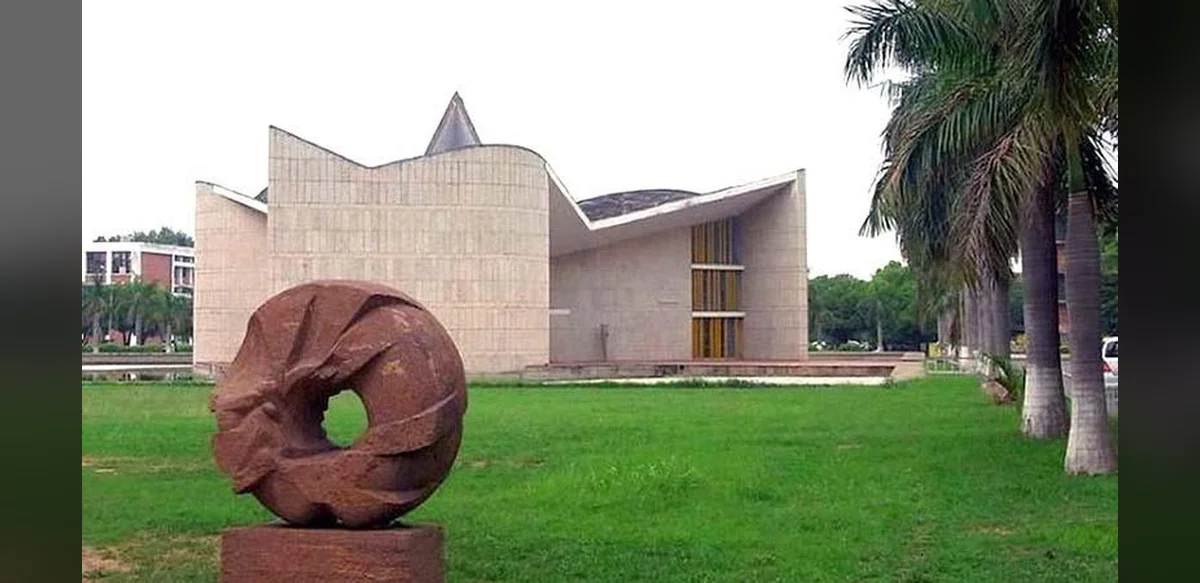
The most recent global assessment of interdisciplinary scientific research has highlighted progress for Panjab University. Compiled by Times Higher Education together with Schmidt Science Fellows, the 2027 edition reviewed 1058 institutions located in 102 countries and territories. This marks an increase from the prior edition, which covered 911 institutions.
The growth in participating organizations underscores expanding worldwide attention to research that spans multiple scientific fields. Panjab University recorded an improved placement in the evaluation, indicating stronger performance in areas that combine insights from diverse disciplines.
Interdisciplinary work brings together expertise from biology, physics, technology and related domains to tackle complex challenges. Such methods prove especially useful for topics including environmental issues, health advancements and innovation development.
Indian universities have shown rising involvement in these rankings over recent years. The current results for Panjab University reflect ongoing efforts to strengthen research facilities and promote cooperation among academic departments.
Rankings of this type consider factors such as research volume, citation influence and international collaboration. Institutions that excel often maintain robust networks with global partners while supporting internal cross-field projects.
The assessment provides a benchmark for universities seeking to measure their contributions to scientific knowledge. For Panjab University the outcome suggests continued development in producing impactful studies that draw on varied expertise.
Observers note that broader participation in the rankings allows for more comprehensive comparisons across regions. The addition of new institutions each year expands the dataset and offers fresh perspectives on emerging research trends.
Panjab University has historically emphasized scientific inquiry alongside traditional academic programs. Recent initiatives have focused on integrating modern tools and methodologies to support interdisciplinary teams.
The evaluation process involves detailed analysis of published work and its reach within the scientific community. Higher placements generally correlate with consistent output across multiple fields rather than concentration in one area.
As the number of assessed entities grows, maintaining or improving standing requires sustained investment in both personnel and infrastructure. Panjab University appears to have met this standard in the latest cycle.
Future editions are expected to include even more participants as interest in collaborative science continues to rise globally. This trend may encourage additional institutions to adopt similar approaches to research organization.
Overall the findings point to gradual advancement for select Indian centers of higher learning within the international research community. Panjab University stands among those demonstrating measurable gains in the current assessment period.

