


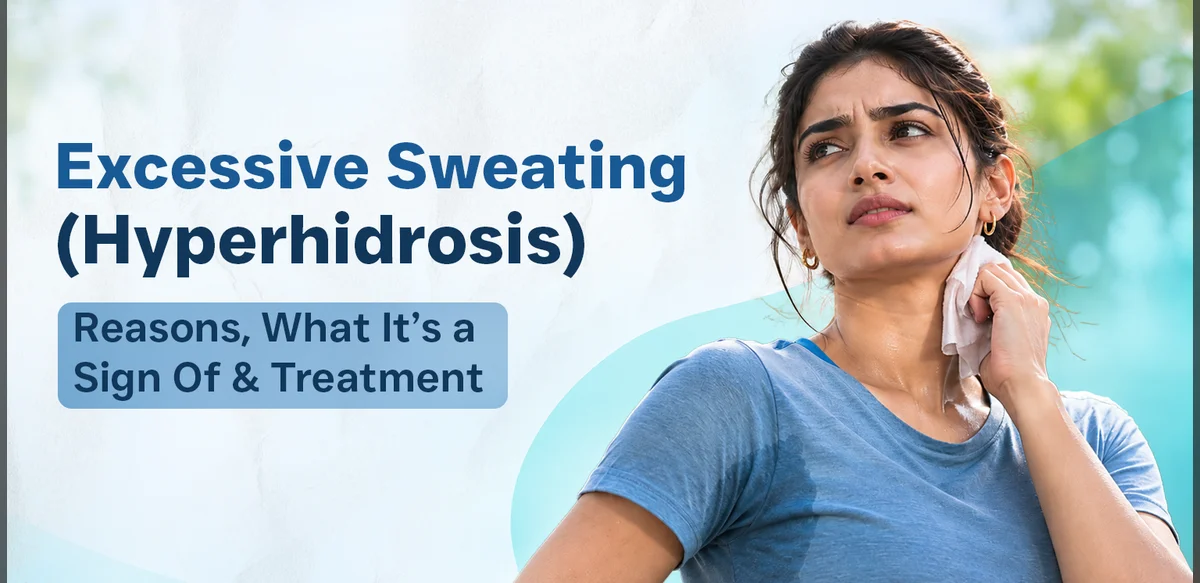
Sweating serves as the body’s primary mechanism for cooling down during warm conditions or physical exertion. In regions with high humidity and temperatures, such as parts of India, this process becomes especially noticeable. When perspiration occurs excessively without triggers like exercise or elevated heat, it may point to an underlying condition known as hyperhidrosis.
Hyperhidrosis involves overactive sweat glands that produce more moisture than necessary for temperature regulation. This can affect specific areas like the palms, soles, underarms, or face, or occur more generally across the body. Individuals often report social discomfort or practical challenges in daily routines due to damp clothing or slippery hands.
Several factors contribute to this issue. Primary hyperhidrosis typically stems from genetic influences and begins in childhood or adolescence without an identifiable medical cause. Secondary hyperhidrosis, by contrast, arises from other health matters including hormonal shifts, certain medications, infections, or metabolic disorders. Medical evaluation helps distinguish between these forms.
Persistent sweating unrelated to activity warrants attention because it can signal broader concerns. For instance, it may accompany thyroid irregularities, diabetes, or anxiety-related responses. In some cases, night sweats link to infections or other systemic conditions. Consulting a healthcare provider allows for proper assessment through history, physical examination, and possibly laboratory tests.
Management approaches vary based on severity and type. Lifestyle adjustments form the initial step, such as wearing breathable fabrics, using absorbent powders, and avoiding known triggers like spicy foods or caffeine. Over-the-counter antiperspirants containing aluminum compounds can reduce output when applied consistently.
For moderate cases, prescription-strength options or iontophoresis treatments prove effective. The latter uses mild electrical currents in water baths to temporarily block gland activity. Botulinum toxin injections offer another avenue by interrupting nerve signals to sweat glands, with results lasting several months.
Advanced interventions include oral medications that limit gland function or, in refractory situations, surgical procedures like sympathectomy to interrupt nerve pathways. Each method carries considerations regarding side effects and suitability, underscoring the value of individualized medical guidance.
Ongoing research continues to explore improved therapies, including topical agents and device-based solutions. Public awareness remains important, as many experience symptoms yet hesitate to seek care due to stigma. Early intervention often leads to better quality of life through symptom control.
In summary, while sweating is a normal physiological response, excessive patterns deserve evaluation to rule out contributing factors and identify appropriate relief strategies. Residents in warm climates should monitor changes and prioritize professional advice when needed.

