


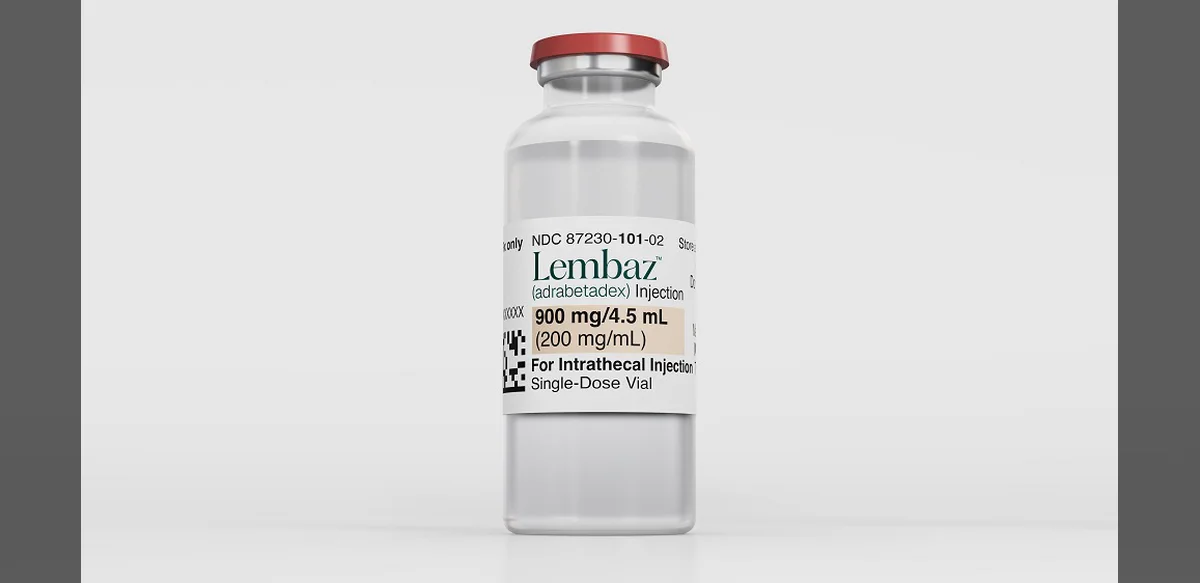
The U.S. Food and Drug Administration has granted approval to Lembaz, a new treatment developed by Beren Therapeutics for Niemann-Pick disease type C. This marks the first therapy for the rare inherited disorder that includes clinical data demonstrating an improvement in patient survival.
Niemann-Pick disease type C is a progressive genetic condition that affects the body’s ability to metabolize cholesterol and other lipids. It leads to severe neurological symptoms and often results in early death. The approval represents a significant step forward for individuals and families affected by this condition, which has historically lacked targeted treatment options.
The path to approval spanned two decades. The molecule at the center of Lembaz was originally studied years earlier before Beren Therapeutics, structured as a public benefit corporation, acquired and advanced its development. Company leaders focused on completing the necessary clinical studies to meet regulatory standards for demonstrating both safety and efficacy.
Clinical trial results submitted to the FDA showed that patients receiving Lembaz experienced longer survival compared with historical data for the disease. This evidence was central to the agency’s decision. The therapy is now authorized for use in appropriate patient populations, with ongoing monitoring required to track long-term outcomes.
Beren Therapeutics emphasized its commitment to rare disease research through its public benefit structure. This model prioritizes scientific advancement alongside financial considerations. The approval is viewed as validation of that approach after years of sustained investment in the program.
Medical experts note that the availability of Lembaz could alter the disease trajectory for many patients. Early intervention may help manage symptoms and extend quality of life. Healthcare providers are expected to receive guidance on dosing, monitoring, and patient selection in the coming weeks.
The regulatory review process involved detailed evaluation of preclinical and clinical data. Agency reviewers assessed the strength of the survival benefit findings alongside safety profiles. No major concerns were identified that would prevent approval under standard conditions.
Patient advocacy groups have welcomed the news, highlighting the decades of effort by researchers and families to bring attention to Niemann-Pick disease type C. Support organizations plan to assist with education efforts so that eligible individuals can access the new therapy promptly.
Further studies are planned to explore additional uses and to gather real-world evidence on Lembaz performance. Beren Therapeutics has indicated it will continue to collaborate with regulators and the medical community to refine understanding of the treatment’s role.
This development adds to the growing list of approvals for rare disease therapies in recent years. It underscores the potential for repurposed or long-studied molecules to reach patients when supported by rigorous evidence. Industry observers will watch for similar cases where extended development timelines lead to meaningful clinical progress.
Overall, the FDA decision provides a new tool for clinicians managing Niemann-Pick disease type C. While challenges remain in diagnosis and care coordination, the approval offers a foundation for improved management of this challenging condition.

