


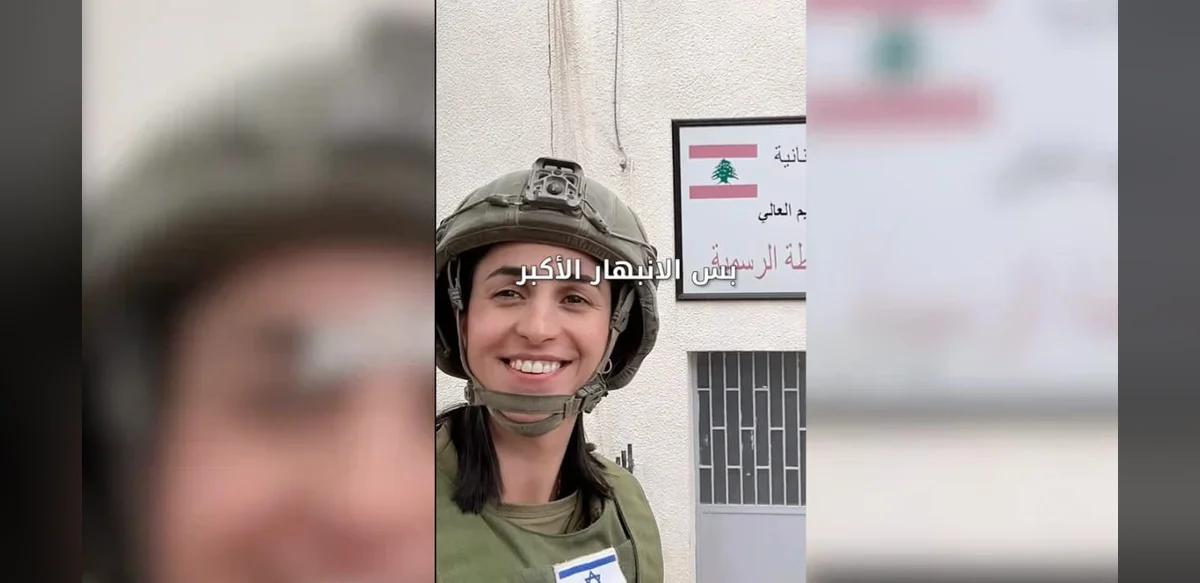
Lebanese Prime Minister Nawaf Salam has strongly criticized a recent visit by an Israeli military officer to a school in Lebanon. The prime minister accused the Israeli military of violating children’s rights through this action. He described the entry into the school as an Israeli military incursion.
The statement from the prime minister highlights ongoing tensions in the region. Officials in Lebanon have expressed concern over the implications of such visits on educational environments. The incident has drawn attention to issues surrounding military movements near civilian sites.
Reports indicate that the visit involved an Israeli lieutenant colonel entering the premises. This has led to public statements of outrage from Lebanese leadership. The prime minister emphasized the need to protect the rights of children in all circumstances.
International observers have noted the sensitivity of interactions between military forces and civilian institutions in border areas. The condemnation focuses on the perceived breach of norms regarding school grounds. Lebanese authorities continue to monitor developments related to this event.
The prime minister’s remarks come amid broader discussions on regional security. He called for adherence to international standards in protecting educational facilities. The description of the visit as an incursion underscores the official Lebanese position on the matter.
Further reactions from other Lebanese officials have echoed similar sentiments of disapproval. The focus remains on ensuring that schools remain safe spaces for students. The incident has prompted calls for clarification on the circumstances of the visit.
In summary, the Lebanese government views the event as a violation of established protocols. The prime minister’s criticism centers on children’s rights and the nature of the military presence. This stance reflects Lebanon’s ongoing concerns regarding cross-border activities.
Additional context from the region shows heightened vigilance around civilian sites. The prime minister reiterated the importance of respecting sovereignty and institutional boundaries. The event has been framed as part of larger diplomatic exchanges.
Lebanese media outlets have covered the prime minister’s statements extensively. Public discourse in the country has centered on the protection of vulnerable populations. The accusation of rights violations has resonated in official communications.
The Israeli military has not issued an immediate response in available reports. The focus stays on the Lebanese perspective as articulated by the prime minister. This approach maintains emphasis on the described incursion and its implications.
Overall, the situation illustrates the delicate balance in areas with historical conflicts. The prime minister’s words serve as a formal protest against the reported actions. Continued dialogue may be necessary to address the raised concerns.
The event underscores the role of educational institutions in maintaining normalcy. Lebanese leadership advocates for their insulation from external military involvement. The prime minister’s position aligns with efforts to uphold children’s welfare standards.
In conclusion, the criticism from Nawaf Salam represents the official Lebanese response to the school visit. It highlights accusations of rights violations and characterizes the action as an incursion. The matter remains a point of contention in regional affairs.

