


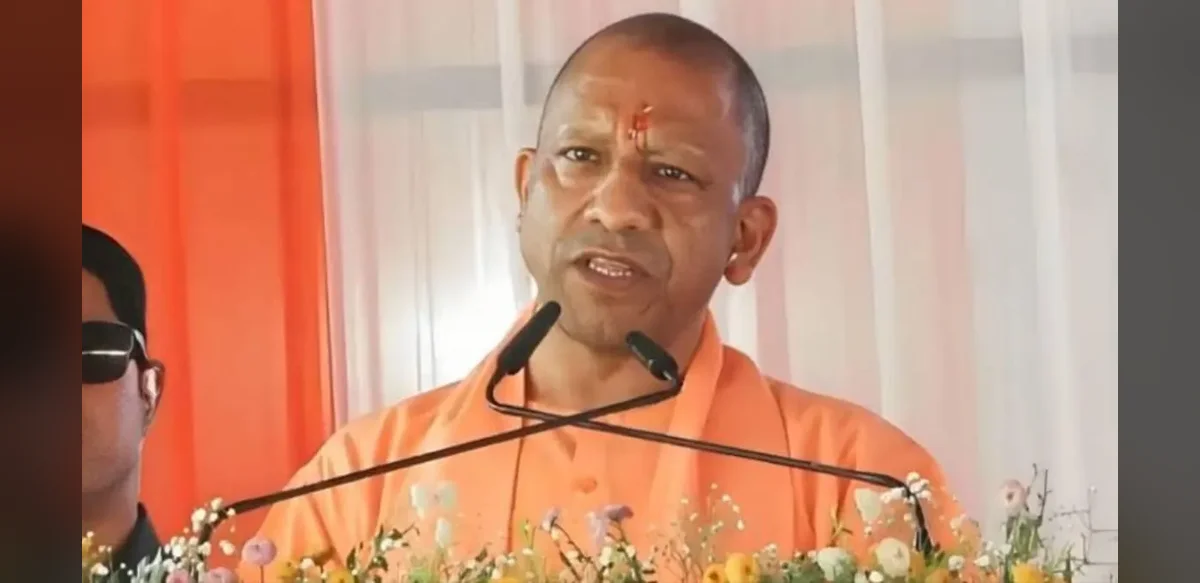
Lucknow officials marked the start of the second phase of the national census exercise on November 16. Chief Minister Yogi Adityanath inaugurated the process at Lok Bhavan. Self enumeration remains open until November 30. Enumerators will visit households across the state from December 1 2026 through January 4 2027.
Uttar Pradesh accounts for one sixth of India’s population and one thirty sixth of the global total. Planning for welfare schemes continues to rely on 2011 data. Officials stated that updated figures would support more accurate resource allocation. The Chief Minister noted that precise information allows better targeting of programs for communities that have historically lacked basic services.
Examples cited include families in eastern districts without land titles or ration cards. Separate initiatives were later introduced once gaps became clear. Instructions to field teams emphasize coverage of remote areas, migrant households, single elderly residents and nomadic groups. Privacy of collected information is to be maintained.
The exercise is presented as a tool for improved governance rather than a political exercise. Opposition leaders responded quickly. Samajwadi Party president Akhilesh Yadav called for an immediate caste based count to advance social justice measures. He linked the demand to his party’s focus on backward classes, Dalits and minorities. Additional criticisms included concerns over recruitment processes and school closures.
Congress spokesperson Jairam Ramesh described the current process as incomplete in several aspects. References were made to portal entries for certain religious categories that were later adjusted and to the absence of broader caste options in initial menus.
Caste enumeration was included in the national schedule following a Cabinet decision in April 2025. This marks the first comprehensive caste count since 1931. Opposition statements over the preceding months had requested caste details in voter forms and later questioned the timing of the full exercise. Each request was addressed by subsequent official notifications that confirmed inclusion of caste questions.
State authorities maintained that census operations fall under central jurisdiction. Separate state level surveys were declined in favor of the national framework. Implementation within Uttar Pradesh has focused on training enumerators and ensuring wide geographic reach.
Party spokespersons from the ruling side highlighted past records of previous governments on welfare delivery. They pointed to official notifications that outlined the inclusion of caste categories from the outset. The sequence of events shows that demands for a caste count aligned with steps already underway in the national process.
The census phase coincides with preparations for the 2027 assembly elections. Updated demographic data is expected to inform constituency delimitation and scheme design. Both ruling and opposition parties continue to frame the exercise according to their respective priorities while the field work proceeds across the state.

