


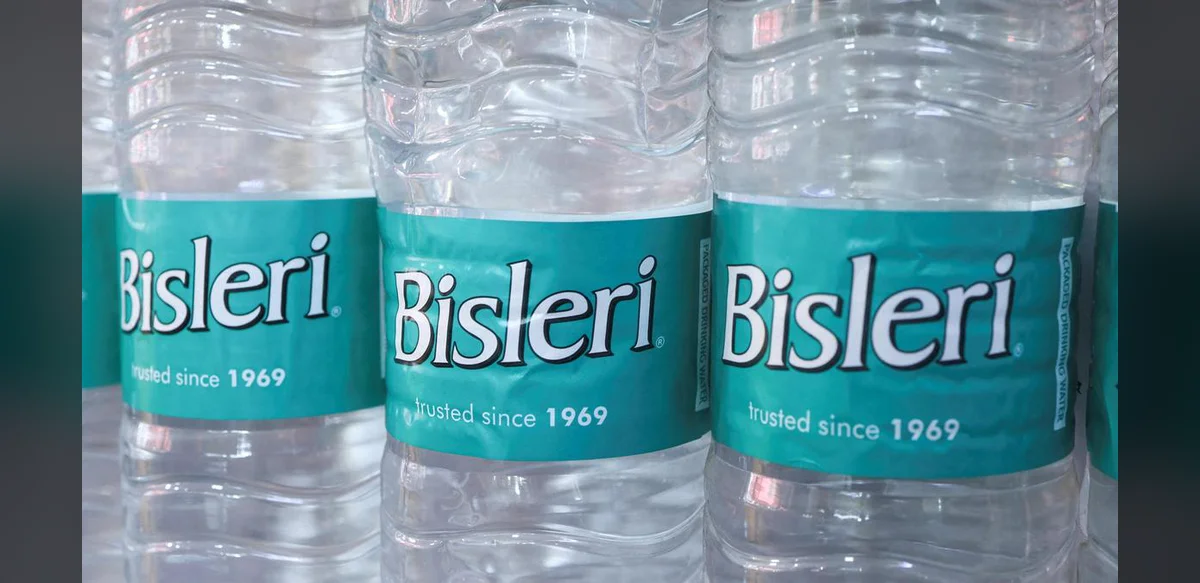
The Food Safety and Standards Authority of India has initiated legal proceedings against Bisleri International following laboratory tests that detected contaminants in certain batches of its packaged drinking water. Officials confirmed that samples collected from multiple production units failed to meet established safety parameters, prompting the regulatory body to recommend prosecution under relevant food safety statutes.
Laboratory analysis revealed elevated levels of bromate, a chemical compound that can form during ozonation processes used to disinfect water. In addition, traces of polycyclic aromatic hydrocarbons were identified, substances often linked to environmental pollution or inadequate filtration systems. These findings rendered the product non-compliant with prescribed limits for packaged drinking water.
Bromate exposure over prolonged periods has been associated with potential health concerns, including oxidative stress and an increased risk of certain chronic conditions. Polycyclic aromatic hydrocarbons are similarly monitored due to their persistence in the environment and possible links to long-term health effects when ingested regularly. Regulatory thresholds exist to minimize such risks for consumers who rely on bottled water as a primary source.
Packaged drinking water in India falls under the oversight of the Food Safety and Standards Authority, which mandates compliance with Bureau of Indian Standards specifications. Manufacturers must obtain licenses, implement hazard analysis protocols, and conduct routine testing for chemical, microbiological, and physical parameters before distribution. Periodic inspections and random sampling at plants and retail points form part of the enforcement mechanism.
Bottled water producers are required to maintain records of raw water sources, treatment methods, and final product testing. Ozonation, ultraviolet treatment, and reverse osmosis are common purification techniques, yet each must be calibrated to avoid byproduct formation such as bromate. Any deviation from validated processes can trigger regulatory scrutiny and corrective orders.
Plastic packaging itself introduces additional considerations. Migration of compounds from polyethylene terephthalate bottles into water can occur under certain storage conditions, particularly when exposed to heat or prolonged sunlight. Authorities advise consumers to store bottles in cool environments and to check manufacturing dates to reduce potential exposure to leached substances.
The current case underscores the importance of consistent quality control across the packaged water industry. Similar enforcement actions have been taken against other brands in recent years when samples exceeded contaminant limits. Such measures aim to uphold public confidence in commercially available drinking water while encouraging manufacturers to adopt stricter process controls.
Industry observers note that the regulatory framework continues to evolve with updated testing methodologies and lower permissible limits for emerging contaminants. Companies are expected to invest in advanced monitoring equipment and staff training to align with these standards. Failure to do so may result in license suspension or further legal consequences.
Consumers are encouraged to verify FSSAI license numbers printed on packaging and to report any unusual taste, odor, or labeling discrepancies to local food safety officers. Public awareness campaigns by the authority emphasize reading product information and understanding basic safety indicators before purchase.
The prosecution process will now move through designated adjudication channels, where Bisleri will have the opportunity to present its compliance records and any mitigating evidence. Outcomes may include fines, product recalls, or mandated improvements to manufacturing practices. The authority has stated that its priority remains the protection of consumer health through science-based regulation.

