


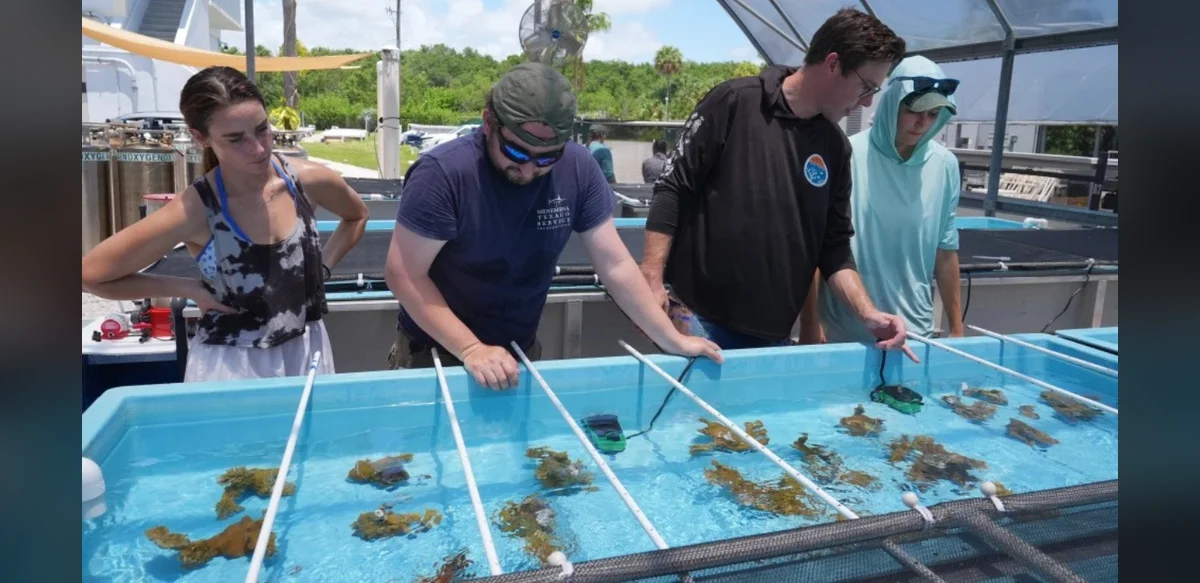
Scientists in Florida have undertaken a significant effort to relocate thirty corals from vulnerable reef areas to protected onshore facilities. This action aims to shield the organisms from intensifying marine heatwaves that have caused widespread stress in recent seasons.
Coral reefs along the Florida coast face repeated exposure to elevated water temperatures. These conditions trigger bleaching events where corals expel symbiotic algae essential for their survival. Prolonged heat stress often leads to mortality and long-term damage to reef structures.
The relocation project focuses on species already identified as at risk. Teams collected the corals during low-impact dives and transported them using specialized containers that maintain stable conditions. Once ashore, the specimens are housed in controlled environments designed to mimic natural habitats while allowing close monitoring.
Researchers emphasize that this measure serves as a temporary safeguard rather than a permanent solution. The corals will remain in the facility until ocean temperatures stabilize and conditions improve for reintroduction. Ongoing assessments will determine the optimal timing for any return to the wild.
Marine heatwaves have become more frequent due to broader climate patterns affecting ocean systems. Data collected from monitoring stations show rising baseline temperatures across the region, increasing the urgency of protective interventions.
The initiative involves collaboration among state agencies, academic institutions, and conservation organizations. Each group contributes expertise in coral biology, water quality management, and habitat restoration. Such partnerships help coordinate resources and share findings with similar projects worldwide.
Public interest in reef preservation continues to grow as communities recognize the ecological and economic value of healthy coral systems. Reefs support diverse marine life, protect shorelines from erosion, and sustain tourism and fisheries industries.
Laboratory conditions allow scientists to study coral responses to stress factors in detail. Controlled experiments can test resilience to varying temperatures, light levels, and water chemistry. Results from these studies may inform future strategies for reef management.
While the current effort targets a limited number of specimens, it represents part of a larger framework for addressing reef decline. Additional collections may occur if heat events persist or intensify in coming months.
Restoration techniques such as coral gardening and selective breeding are also under development. These approaches seek to enhance genetic diversity and improve survival rates when corals are eventually returned to natural settings.
Monitoring programs track temperature anomalies and coral health indicators throughout the year. Early warning systems help teams prepare for potential interventions before conditions reach critical thresholds.
The success of the relocation will be evaluated through regular health checks and growth measurements. Any signs of recovery or adaptation will guide decisions on scaling similar efforts.
Overall, the project highlights proactive steps taken to preserve marine biodiversity amid changing environmental conditions. Continued research and coordinated action remain essential for long-term reef sustainability.

