


A professional organization focused on public relations has launched a new regional network aimed at strengthening ethical practices and providing training to address challenges posed by artificial intelligence generated disinformation and coordinated online harassment. The initiative seeks to equip practitioners with tools to maintain integrity in communications amid evolving digital threats.
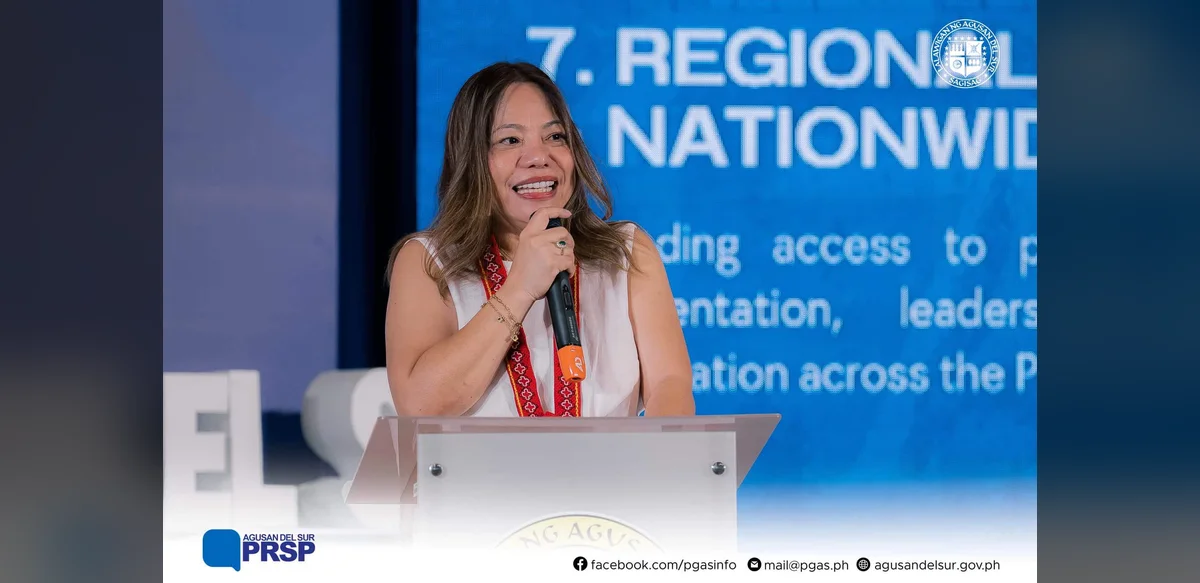
The event marking the establishment of the network took place in a provincial location in the southern Philippines. Participants included local professionals and representatives who discussed strategies for upholding standards in the field. The gathering highlighted the importance of education and preparedness in responding to misleading content created through advanced technologies.
Speakers at the launch emphasized that artificial intelligence tools can be misused to spread false narratives rapidly across platforms. They noted that such misuse often involves automated accounts or coordinated efforts designed to influence public opinion. Training programs introduced through the network will focus on identifying these patterns and responding with verified information.
Attendees were encouraged to adopt proactive measures including regular workshops on digital literacy and ethical decision making. The organization stressed that these efforts are intended to support transparent communication rather than restrict technological progress. By fostering collaboration among members the network aims to build resilience against disruptive online activities.
The launch represents an expansion of existing programs into additional areas to ensure broader access to resources. Organizers explained that regional networks allow for localized approaches while maintaining consistent core principles across locations. This structure facilitates knowledge sharing and collective problem solving among practitioners facing similar issues.
Discussions also covered the role of professional associations in setting guidelines that adapt to new developments in media and technology. Participants reviewed case examples of how disinformation campaigns have affected various sectors and explored methods to mitigate their impact through accurate messaging.
The initiative aligns with broader industry trends toward greater accountability in communications. Leaders expressed optimism that sustained training will help professionals navigate complex environments where information flows quickly and verification becomes essential. They underscored the value of ongoing education to keep pace with emerging tools and tactics.
Future activities planned by the network include seminars on responsible use of digital platforms and sessions on recognizing coordinated influence operations. These programs are designed to be accessible to both experienced practitioners and those new to the field ensuring wide participation.
The organization continues to advocate for ethical conduct as a foundation of effective public relations work. By addressing specific threats such as AI assisted content manipulation and troll activities the network seeks to reinforce public trust in professional communications. The recent launch marks a step toward achieving these objectives through structured regional engagement.
Overall the effort reflects a commitment to adapting professional standards in response to technological changes. The network will serve as a platform for continued dialogue and skill development helping members respond effectively to contemporary challenges in information dissemination.

