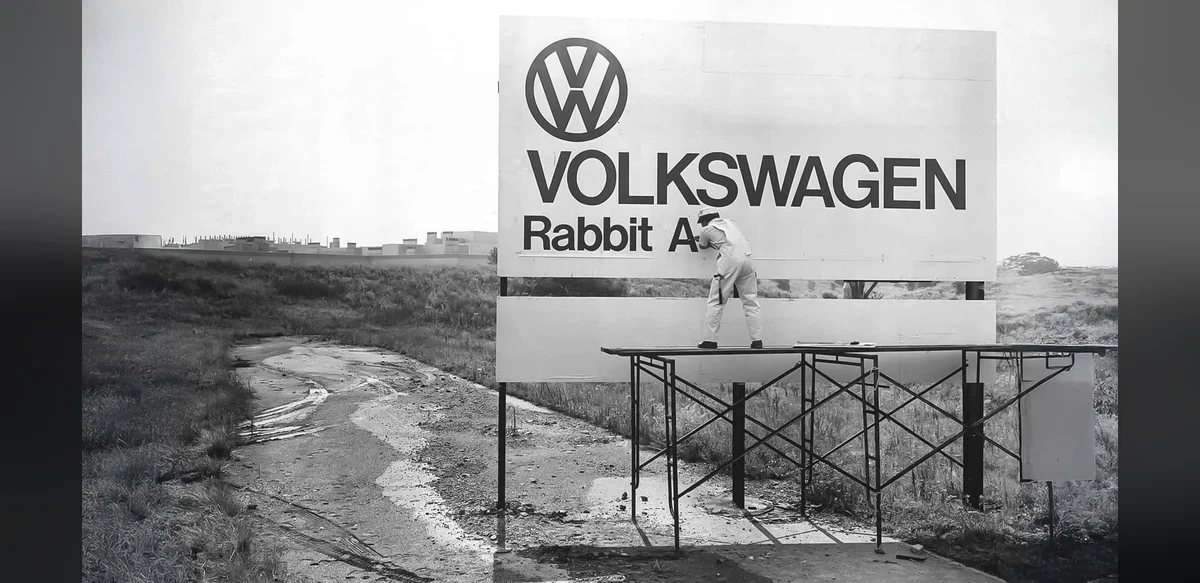
A leading German economist has indicated that transferring ownership of a prominent domestic vehicle manufacturer to a purchaser based in China may not necessarily harm national interests, as long as factories and employment levels are preserved domestically. The president of the Kiel Institute for the World Economy made the remarks during a discussion on industrial strategy and international trade dynamics.
The comments arrive at a time when the European automotive sector faces mounting pressure from overseas competitors and shifting supply chains. Maintaining local manufacturing operations is viewed by the economist as essential to safeguarding regional economies that rely heavily on these facilities for jobs and related services.
Observers note that foreign acquisitions in key industries often spark debate over long-term control and technological development. In this case, the condition of retaining production sites within Germany is presented as a safeguard against potential negative outcomes such as job losses or reduced investment in domestic research.
Industry analysts have pointed out that partnerships or ownership changes involving Asian firms have occurred in other manufacturing areas without immediate disruption, provided clear agreements protect workforce stability. The economist’s view aligns with this cautious approach, focusing on practical economic benefits rather than outright opposition to cross-border deals.
Germany’s automotive industry contributes substantially to national exports and employs hundreds of thousands of people directly and indirectly. Any transaction involving a flagship company would therefore require careful evaluation of supply chain impacts and future competitiveness in global markets.
The statement also reflects broader conversations about economic openness and strategic sectors. Policymakers continue to weigh the advantages of attracting international capital against the need to protect critical infrastructure and skilled labor pools.
Public reaction to the idea has been mixed, with some stakeholders emphasizing the importance of national champions in high-value industries while others highlight the potential for new market access and innovation through foreign ownership under strict conditions.
Further details on specific terms or interested parties have not been disclosed, leaving the discussion at a conceptual level for now. The economist stressed that decisions of this nature should prioritize measurable outcomes such as sustained employment and continued output rather than symbolic ownership structures.
Economic modeling from the institute suggests that well-structured international investments can support growth if core operations remain anchored locally. This perspective encourages a pragmatic assessment of opportunities in an increasingly interconnected global economy.
As the automotive landscape evolves with new propulsion technologies and regulatory changes, companies and governments alike are exploring various ownership and partnership models. The recent remarks add one more viewpoint to these ongoing deliberations without advocating immediate action.
Overall, the focus remains on ensuring that any future arrangements deliver tangible advantages for workers and communities tied to the manufacturing base. The economist’s position underscores the value of flexibility combined with firm protections for domestic interests.