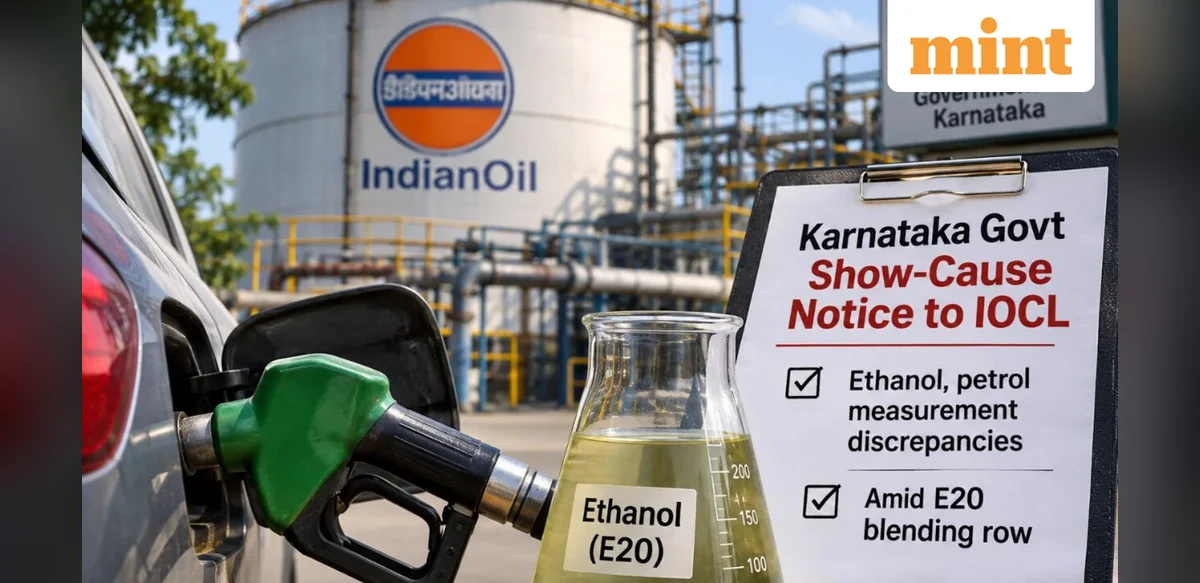
Authorities in Karnataka have taken formal steps by issuing a show-cause notice to a major oil marketing entity following findings from recent checks conducted at a key facility in Bengaluru. The inspections revealed inconsistencies related to the recording of ethanol volumes alongside petrol quantities at the terminal site. This development occurs against the backdrop of ongoing discussions concerning the extent of ethanol incorporation in fuel supplies, specifically claims that blending may have exceeded the standard E20 threshold in certain instances.
The notice requires the company to provide explanations regarding the observed variations in measurement data. Officials have indicated that such discrepancies could point to procedural lapses in how volumes are tracked and reported during blending operations. The terminal in question serves as an important distribution point for fuels in the region, making accurate record-keeping essential for compliance with regulatory standards.
In the broader context, ethanol blending programs aim to promote the use of renewable components in transportation fuels. The prescribed E20 level represents a specific ratio that has been set to balance environmental goals with engine compatibility requirements. Any deviation from this ratio has prompted scrutiny from state-level bodies tasked with overseeing fuel quality and distribution practices.
The show-cause process allows the recipient to submit a detailed response outlining the circumstances that led to the measurement inconsistencies. This mechanism is commonly employed in regulatory matters to ensure due process before further actions, if any, are determined. Representatives from the oil entity are expected to address the specific points raised in the notice within the stipulated timeframe.
State regulators have emphasized the importance of maintaining precise documentation at all stages of fuel handling, from receipt of components to final dispatch. The Bengaluru terminal inspection forms part of wider efforts to verify adherence to blending guidelines across multiple locations. Similar reviews may be extended to other facilities to confirm uniformity in measurement protocols.
Industry observers note that accurate quantification of ethanol and petrol is critical for both commercial accountability and environmental reporting. Discrepancies, even if minor, can affect calculations related to subsidy claims, tax assessments, and overall supply chain transparency. The current notice underscores the need for robust internal controls within fuel marketing operations.
The matter remains under examination, with the company afforded the opportunity to clarify its position. No conclusions have been drawn at this stage regarding intent or systemic issues. Regulatory bodies continue to monitor developments closely to uphold standards applicable to the petroleum sector.
Further updates are anticipated once the response to the notice is received and reviewed. The focus remains on ensuring that fuel blending activities align with established limits and that measurement practices meet required levels of accuracy and reliability.