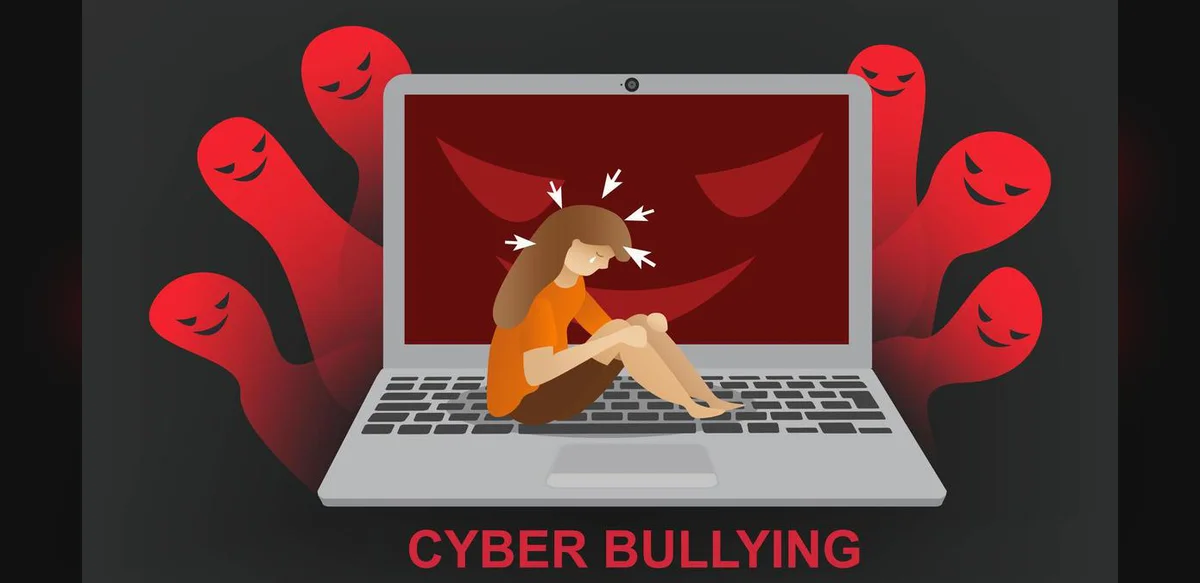
Authorities have observed a marked rise in cybercrime incidents over the past twelve months, with reported cases more than doubling compared to the previous period. This growth stems from offenders increasingly relying on intimate photographs, altered visuals, and artificially created material to intimidate, humiliate, and dominate those they target.
The methods employed often center on the unauthorized distribution or threat of distribution of personal imagery. Perpetrators combine these tactics with stalking behaviors and retaliatory motives, creating a pattern of sustained online harassment that affects victims across various demographics. Investigators note that the accessibility of editing tools has lowered barriers for such activities, allowing individuals with limited technical skills to participate.
Victims frequently report feelings of isolation and helplessness as the content spreads rapidly through digital channels. The psychological impact includes heightened anxiety, loss of privacy, and disruption to daily routines. In many instances, the threats extend beyond initial sharing to repeated demands for compliance, further entrenching the control exerted by the offenders.
Law enforcement agencies have responded by expanding specialized units focused on digital evidence collection and victim support services. Training programs now emphasize recognition of morphed and generated content, enabling faster identification and response. Collaboration with technology platforms has also increased, aiming to improve detection and removal processes for harmful material.
Public awareness campaigns highlight the importance of secure data practices and prompt reporting of suspicious activity. Educational resources stress that early intervention can limit the reach of abusive content and support legal proceedings. Community organizations play a role in providing counseling and guidance to those affected.
The broader implications touch on societal trust in digital communications and the challenges of maintaining personal boundaries online. As tools for content creation become more sophisticated, the distinction between authentic and fabricated material grows harder to discern, complicating verification efforts by both individuals and institutions.
Ongoing research into detection algorithms seeks to address these difficulties by identifying subtle inconsistencies in images and videos. Such advancements could assist investigators in building stronger cases while reducing the time required for analysis. Policymakers continue to examine existing regulations to determine whether updates are needed to address emerging forms of digital misconduct.
Support networks emphasize the value of documenting incidents thoroughly, including timestamps, communications, and any demands made by perpetrators. This information proves essential when pursuing protective orders or other legal remedies. International cooperation remains relevant given the borderless nature of online platforms.
Overall, the surge underscores the evolving landscape of online interactions and the need for sustained attention to protective measures. Continued monitoring by authorities will help track whether current strategies effectively curb the upward trend in these specific types of offenses.