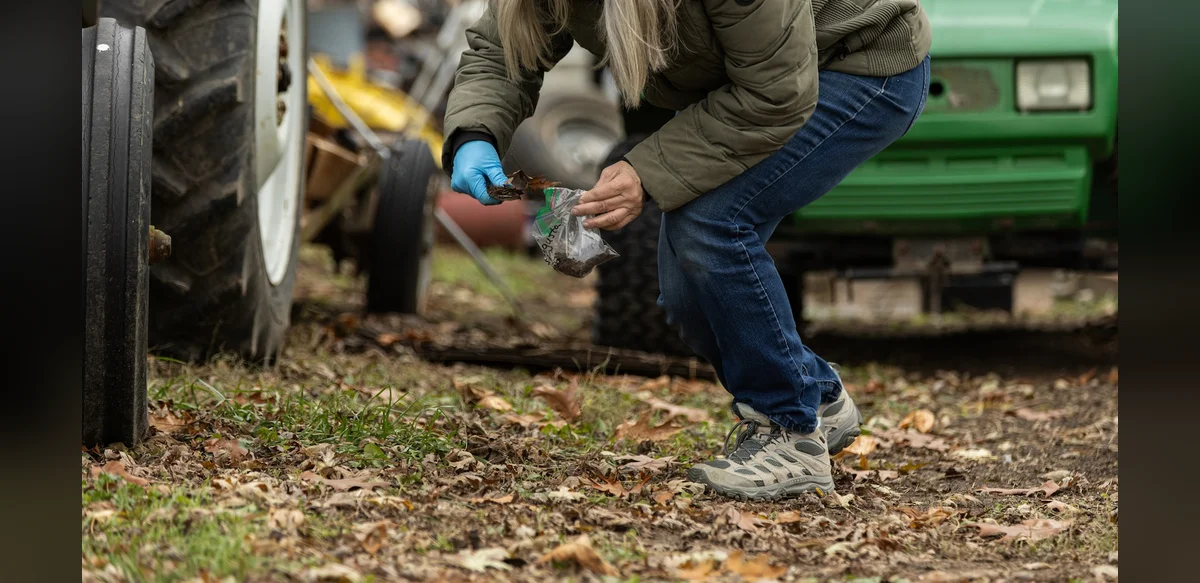
Initial laboratory results indicate the controlled detonation of 5 tons of dangerous lead azide in southeastern Iowa has not caused a rise in the heavy metal in the bodies of water that supply drinking water to the area, the U.S. environmental agency stated. Officials conducted the operation as a safety measure to dispose of the unstable material stored at an Army facility. Monitoring teams collected samples from nearby streams and reservoirs both before and after the event to assess any potential impact on local water quality. The findings showed levels remained consistent with baseline measurements taken prior to the detonation. Authorities emphasized that the procedure followed strict environmental protocols designed to minimize risks to surrounding communities. Residents in the region were notified in advance about the planned activity and advised to avoid certain areas temporarily for safety reasons. The Environmental Protection Agency continues to review additional data from ongoing tests to confirm the initial conclusions. Experts noted that lead azide is highly sensitive and requires careful handling during disposal to prevent accidental explosions. The Army coordinated with federal and state agencies throughout the process to ensure compliance with all regulations. Water treatment plants serving the affected communities reported no changes in their operations as a result of the event. Public health officials reassured the public that drinking water supplies remain safe based on the available evidence. Further assessments will take place over the coming weeks to monitor any long-term effects. The incident highlights the challenges associated with managing hazardous materials at military installations. Local emergency responders were on standby during the detonation to address any unforeseen issues. Community leaders expressed relief at the positive test outcomes while stressing the importance of continued vigilance. The EPA plans to release a comprehensive report once all analyses are complete. This approach ensures transparency and maintains public trust in environmental oversight efforts. Additional sampling locations have been identified to provide a broader picture of regional water conditions. The entire operation was completed without reported injuries or property damage. Federal guidelines for such detonations include multiple layers of safety checks and environmental protections. Ongoing collaboration between agencies aims to prevent similar situations in the future through improved storage practices. The situation in southeastern Iowa serves as an example of coordinated response to potential environmental hazards. Water quality remains a priority for all involved parties as they work to protect public resources.