


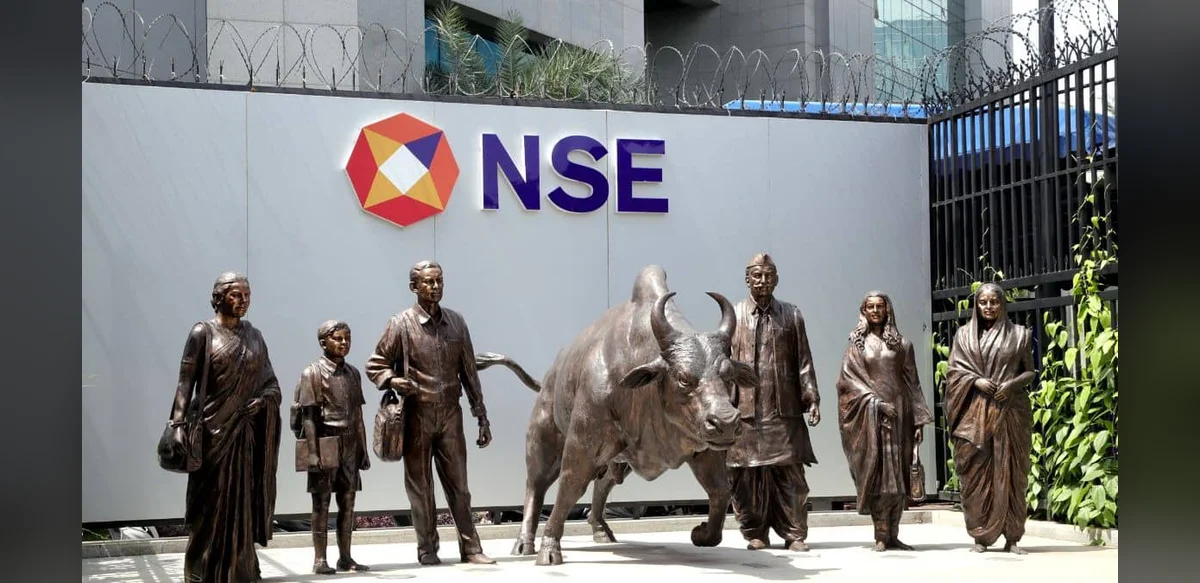
As India’s major stock indices, Sensex and Nifty, started the trading day lower on Monday, analyst Ajay Bagga suggested steering clear of active trading.
“This isn’t the moment for trading. Focus on investments, maintain regular monthly contributions via systematic investment plans. Avoid attempting to predict market lows, as the bottom hasn’t yet appeared, and its timing remains uncertain,” stated Bagga, an expert in banking and markets.
The Sensex began the session down 2.08% at 75,937.16, and the Nifty 50 fell 1.92% to 23,589.60.
“Markets showed optimism last Wednesday due to announcements of ceasefires and negotiations, but that positivity has diminished. Consequently, sentiment toward Indian markets has turned pessimistic. Rather than corporate earnings, geopolitical uncertainties are now influencing market directions,” Bagga commented.
A key worry for India’s economy is the rapid increase in crude oil prices, which have exceeded $100 per barrel. As a nation dependent on imported energy, elevated costs for Brent and WTI crude threaten the current account balance and rupee stability.
Bagga pointed out that India spent around $150 billion on energy imports last year, covering crude oil, gas, and petrochemicals. With current rates, this expense could rise to between $225 billion and $250 billion annually.
Additionally, the Indian rupee dropped 55 paise against the US dollar due to surging oil prices.
“Over the recent weekend, demand for oil far outstripped supply, with only a small fraction of requests met. This indicates shortages, and prices are reaching $120 to $140 per barrel. These conditions persist, leading to worldwide inflation, including in India, and potential economic deceleration,” Bagga elaborated.
The situation also affects India’s trade and remittance flows. Bagga noted that about 20% of the country’s merchandise exports are disrupted by restrictions in the Red Sea and Gulf of Oman routes.
Furthermore, the crisis impacts roughly 10 million Indians in the Gulf region, with around 900,000 having returned due to declining opportunities in construction and temporary jobs. This could reduce remittances, affecting areas like Kerala that depend on such income.

