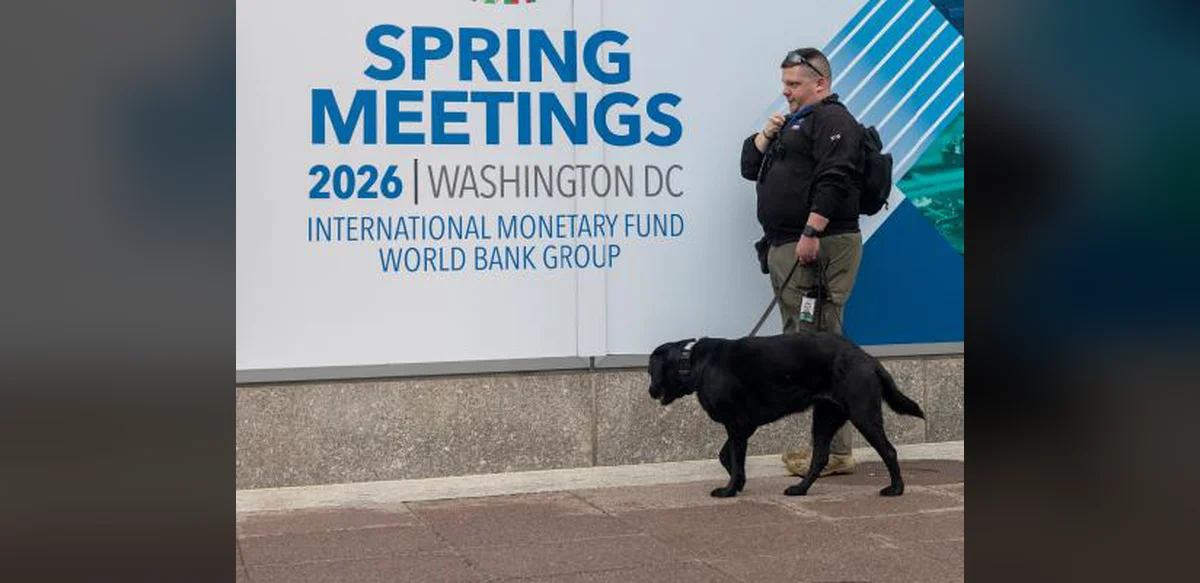
The chief executive of major bank HSBC has cautioned that the ongoing strife in the Middle East is eroding customer trust. In an interview with Bloomberg TV, Georges Elhedery highlighted additional uncertainties affecting sentiment, stating that the bank is deeply troubled by the events and their potential duration. He noted that prolonged tensions could extend negative effects worldwide, far outside the region. Meanwhile, the Middle East situation has created profitable openings for energy firm BP. The company announced to investors that it anticipates outstanding results from oil trading in the year’s first quarter, a time when oil values surged following the start of hostilities with Iran. BP also forecasts improved refining profits but expects a minor drop in oil and operations output compared to the previous quarter’s end. Britain’s finance minister, Rachel Reeves, is heading to Washington, D.C., for the spring sessions of the IMF and World Bank. Prior to her departure, she emphasized that UK households and companies are suffering from unrest they did not initiate. She described the Iran dispute as a critical point for addressing international crises, and plans to urge global leaders to collaborate on economic measures and enhance energy independence for future protection. Today, oil prices are decreasing due to fresh expectations of a settlement in the Iran conflict. Brent crude has fallen under $100 per barrel to $98.35, despite the U.S. enforcement of a blockade on Iranian ports starting yesterday. Market participants are optimistic that President Trump’s increased pressure on Tehran might facilitate progress in negotiations. Michael Brown, a senior analyst at Pepperstone, commented that the blockade of the Strait of Hormuz, targeting ships to and from Iran, is likely a tactical move to cut off oil income and compel talks. He views it as part of an ongoing ‘escalate to de-escalate’ approach familiar to markets over the past 15 months, which explains the quick recovery from recent setbacks, including stock rebounds and shifts in currency and bond values. Welcome to our continuous updates on business, financial sectors, and the international economy. Officials from finance ministries, central banks, and economic experts are convening in Washington, D.C., under the shadow of the Iran war’s impact on global growth. The IMF and World Bank’s spring assembly begins today, with the IMF set to release updated economic projections later, likely including reduced growth estimates due to the regional turmoil. The organization has previously indicated that war-related economic damage might persist for over ten years. Yesterday evening, leaders from the International Energy Agency, IMF, and World Bank stated that the conflict is causing significant, widespread, and uneven effects on the global economy, particularly burdening nations reliant on energy imports, especially those with lower incomes. They highlighted rises in prices for oil, gas, and fertilizers, raising alarms about food supplies and employment. Certain Middle Eastern producers have experienced sharp drops in export earnings. With the U.S. blockade of the Strait of Hormuz now active, the officials noted ongoing uncertainty and delays in normalizing shipping. Even after flows resume, restoring commodity supplies to prior levels will take time, and elevated fuel and fertilizer costs may continue due to infrastructure harm. They also pointed out disruptions to key sectors like energy and agriculture, along with population displacements, job losses, and declines in travel and hospitality. Today’s schedule includes: 10 a.m. BST – IEA Oil Market Report; 1:30 p.m. BST – U.S. PPI for March; 2 p.m. BST – IMF World Economic Outlook; 3:15 p.m. BST – IMF Global Financial Stability Report.