


ShareShare
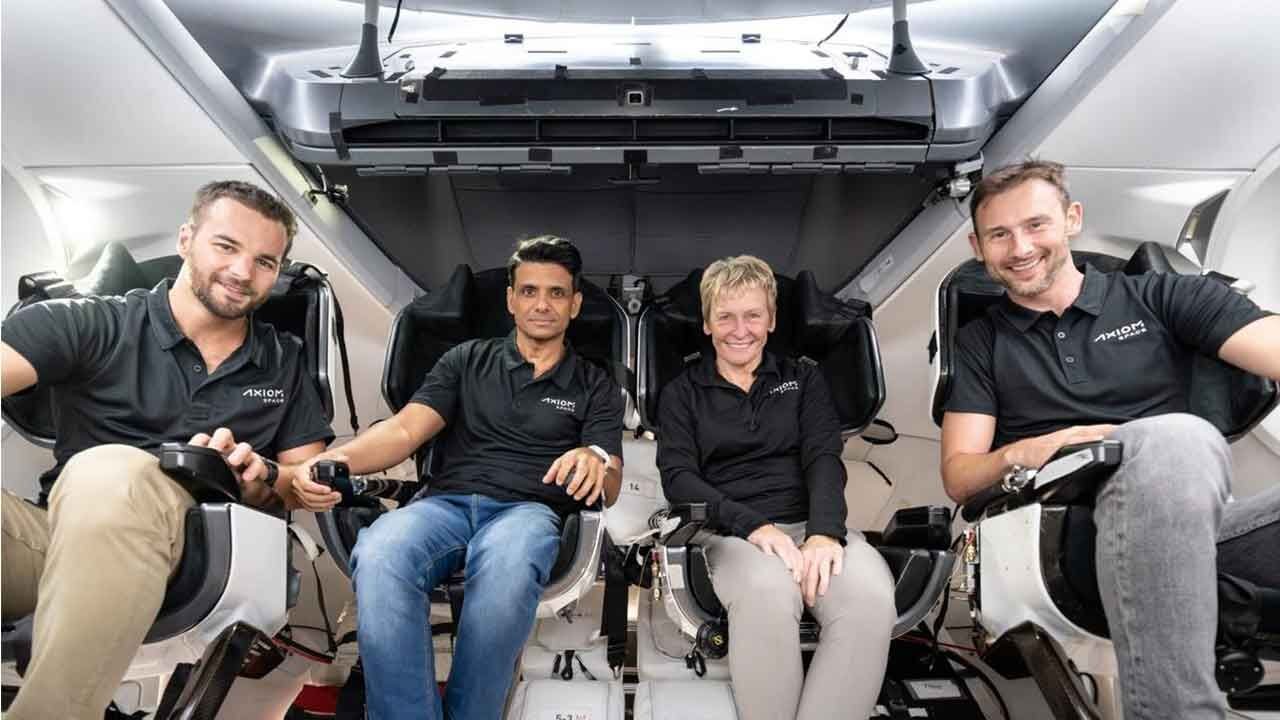
As a compelling demonstration of international space cooperation, India and Hungary have recently taken significant steps forward in strengthening their bilateral ties within the global arenas of space exploration and higher education. Space activity in the 21st century is no longer defined solely by great-power rivalry; rather, it has evolved into a complex, multipolar framework of cooperation in which emerging and mid-sized nations are assuming increasingly strategic roles. Within this transforming global landscape, India has, over the past decade, established itself as one of the most dynamically advancing spacefaring nations. Hungary, for its part, has re-entered the domain of crewed spaceflight and high value-added space technology development through a deliberate and forward-looking national programme. A new dimension in the relationship between the two countries lies in the fact that Indian and Hungarian space activities are now interconnected not only at the diplomatic or industrial level but also through personal, scientific, and institutional linkages.
At the centre of India’s space ambitions stands the Indian Space Research Organisation (ISRO), which in recent years has achieved remarkable scientific and technological milestones — from lunar exploration and solar observation to interplanetary missions. Among its current strategic priorities, the Gaganyaan programme represents a defining objective: the establishment of India’s independent capability for crewed spaceflight. Far more than a symbolic endeavour, Gaganyaan mobilises advanced competencies in systems integration, human space physiology, materials science, and spacecraft engineering, while serving as a powerful catalyst for India’s broader high-technology ecosystem.

