


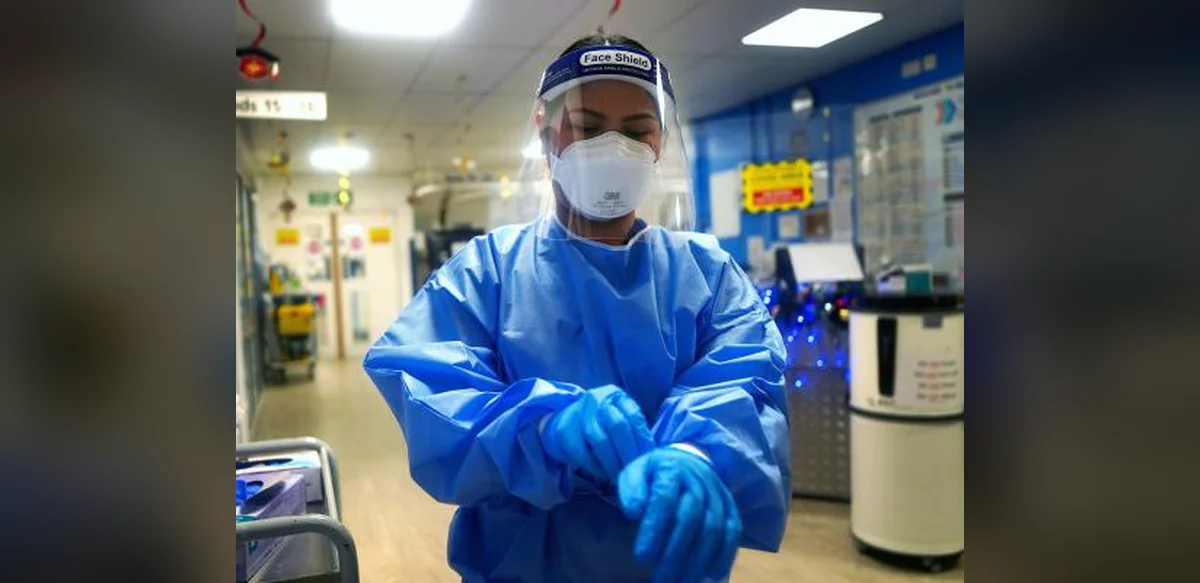
The ongoing conflict in Iran has raised concerns within the UK’s National Health Service (NHS) regarding potential shortages and increased prices for drugs and medical supplies, including syringes, IV bags, and protective gloves. Contemporary healthcare heavily relies on petrochemicals, which are currently affected by disruptions in Gulf shipping. These materials are essential for producing active drug components and vast quantities of disposable sterile items, such as protective gear, catheters, and casings for diagnostic tools.
As one of the largest global purchasers of healthcare goods, the NHS allocates £8 billion annually to equipment and consumables, ranging from latex gloves and paper towels to stents and artificial hips. Its expenditure on medications reached £21.6 billion in the 2024-25 period. While temporary shortages of certain drugs and tools have occurred periodically, exacerbated by events like Brexit and the COVID-19 crisis, the current war in Iran could intensify and prolong these issues both in the UK and worldwide, driving up expenses and sparking international competition for resources.
Jim Mackey, NHS England’s chief executive, expressed significant concern over supply chain vulnerabilities, indicating to the Health Service Journal that additional government support would be necessary if the conflict causes a major surge in costs. In preparation, NHS England has boosted acquisitions of medications and devices to create reserves. Although no shortages exist currently, thanks to the organization’s substantial buying power, prolonged hostilities could alter this situation. Damage to energy facilities and mining operations in the Strait of Hormuz may further extend interruptions.
NHS Supply Chain, the primary procurement entity, oversees the acquisition, distribution, and provision of over 620,000 products, including clinical supplies and medical apparatus for NHS trusts. Tom Brailsford, its resilience director, noted that inventories have been augmented where suitable, and discussions with suppliers are ongoing about backup strategies and transportation options. Middle Eastern airports face disruptions, with airlines reducing services due to jet fuel access issues. Typically, hubs like Dubai and Doha facilitate air transport of medicines from India—often called the global pharmacy—where most generic drugs are manufactured, to Europe.
Richard Sullivan, a professor of cancer and global health at King’s College London and head of the Institute of Cancer Policy, highlighted the combined challenges of restricted airspace and resulting logistical complications. He explained that supply chains for many cancer treatments are fragile, frequently depending on a single provider, with complex and extended pathways for medicines, ingredients, and equipment, often chosen for cost efficiency.
At Gloucestershire Hospitals trust, staff use 67,653 boxes of synthetic rubber gloves annually—equaling over 6 million individual gloves—at a cost of nearly £330,000, leading to a 2024 initiative to curb excessive use. The conflict may prompt stricter adherence to guidelines emphasizing proper usage, such as prioritizing handwashing. Liz Breen, a professor of health service operations at Bradford University, emphasized that these items are vital for service delivery, enabling post-surgical patient care with catheters and safe operations with adequate gloves and protective equipment. Even minor shortages could accumulate into significant problems.
Sullivan advised that NHS personnel should reconsider consumption habits, such as reducing swab usage during procedures or avoiding unnecessary opening of disposable instruments, which must be discarded once unpackaged. He pointed out considerable waste in the system, suggesting that scarcities might encourage more efficient practices, like preparing drugs only as required rather than preemptively.
Since the war began, prices for various standard medical products have risen sharply. For instance, the average cost of a 1,000-unit box of synthetic rubber gloves has increased by 40% to $29 (£21.50), according to Oong Chun Sung, a research analyst at CIMB Securities in Kuala Lumpur. Analysts predict potential glove shortages by late May if supply chain issues persist, driven by escalating prices of naphtha—a crude oil derivative used in petrochemical production for healthcare items. Naphtha costs in northwest Europe climbed above $900 per tonne in April, up from around $560 per tonne in February. Polyco Healthline, a major NHS supplier based in London providing gloves, protective gear, and related products, implemented price hikes ranging from 10.3% to 26.3% starting April 1.

