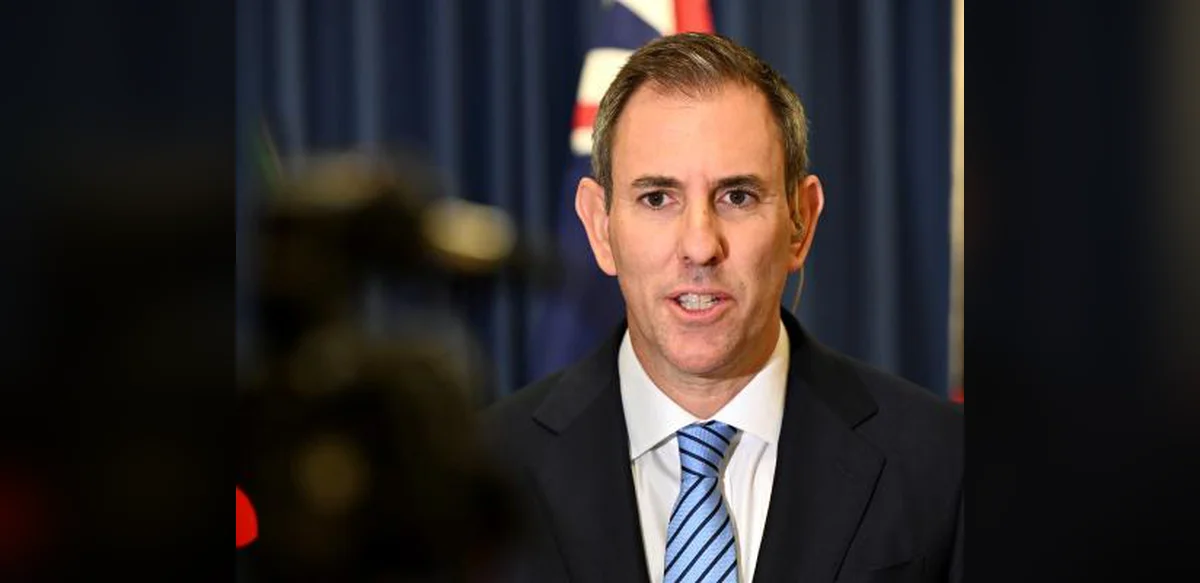
Inflation declined to 4.2 percent in the year to April after government fuel excise cuts reduced petrol costs, though economists cautioned the Reserve Bank could still raise interest rates later this year to address persistent price pressures. Fuel prices dropped 7 percent last month, reversing part of the 33 percent increase seen in March following the US-Israel strike on Iran that disrupted a vital Middle Eastern shipping lane and caused a worldwide oil supply disruption. Regular unleaded averaged 2.06 dollars per litre in April, down from 2.28 dollars the prior month, according to the Australian Bureau of Statistics. Diesel prices rose instead, moving from 2.56 dollars in March to 2.92 dollars in April. The government halved the fuel excise at the start of April, yet the ABS observed that fuel costs remained 24 percent above February levels. With the US and Iran working toward an agreement to reopen the Strait of Hormuz, global oil prices sit just under 100 US dollars per barrel, about 40 percent above pre-conflict levels. Treasurer Jim Chalmers indicated at a press conference that the 26-cent excise relief, set to end in June, remains under review. He stated the government does not expect to extend it but monitors the situation weekly. Recent data showing unemployment rising unexpectedly to 4.5 percent, the highest since late 2021, led economists to conclude the sharper-than-expected fall in headline inflation removed any prospect of a rate increase at the Reserve Bank board meeting in mid-June. However, Deloitte Access Economics partner Stephen Smith noted the figures indicate conflict-driven global energy effects are beginning to affect the Australian economy, heightening price pressures and the likelihood of a later rate hike. The ABS reported that elevated fuel costs appeared in items with high freight and logistics expenses, such as parcel delivery and building materials. Postal service prices increased 12 percent over the year, while new building costs rose 4.7 percent. Little impact reached supermarket prices, with food and non-alcoholic beverage inflation easing to 2.8 percent from 3.1 percent. The ABS underlying inflation measure, excluding volatile items like fuel, edged up to 3.4 percent from 3.3 percent. Inflation stays well above the Reserve Bank 2.5 percent target and the 2-3 percent range. KPMG chief economist Brendan Rynne explained that oil price increases transmit through the economy in stages, beginning with fuel and transport, followed by food prices, then manufacturing and construction over the next three months, and eventually the broader economy within six months. The Reserve Bank projects inflation peaking at 4.8 percent by mid-year and possibly exceeding 5 percent if the Middle East conflict continues.