


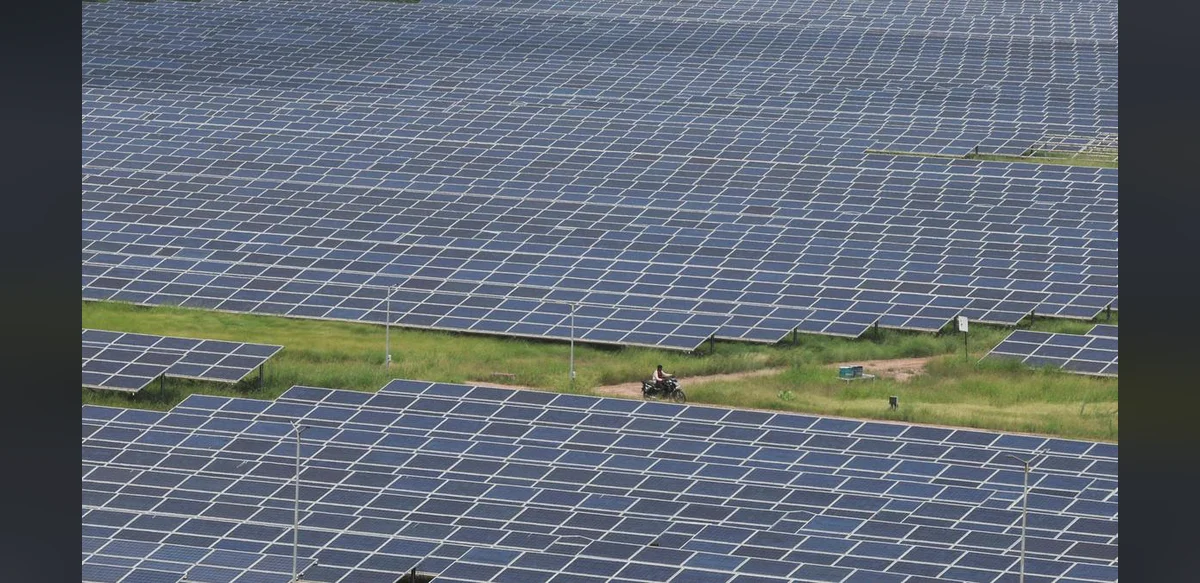
India’s energy investment is projected to hit a record $170 billion in 2026, fueled by strong growth in solar power and oil refining. The country is expanding infrastructure to handle rising demand while advancing its clean energy shift.
The International Energy Agency reported in its World Energy Investment 2026 study that India’s energy spending has risen at an average 11% yearly rate over five years. Solar photovoltaic investment grew 25% annually, and oil refining investment increased 23% in the same span. These areas together made up about a quarter of the total rise in energy outlays.
Refining expansion is set to boost India’s capacity nearly 15% by 2030, despite continued heavy reliance on imported crude. Upstream oil and gas spending has dropped 7% per year since 2020, leading the government to launch a new licensing system to draw investment into exploration.
India ranks as the second-largest investor in coal supply, with spending tripling over the past decade. Coal remains central to power and industry needs. Coal supply investment is forecast at $13 billion in 2026, supporting a target of 1.5 billion tonnes of domestic output by 2030.
The power sector accounts for roughly half of total energy spending. In 2025, India met its target of 50% non-fossil fuel power capacity five years early, aided by solar investment reaching $20 billion. Spending on coal-fired plants has fallen to 40% of 2010 levels. Renewables and nuclear now receive three dollars for every dollar on fossil generation, up from 1.5 dollars five years ago.
Grid upgrades, battery storage, and flexible generation are expanding to handle more renewables. Solar and wind exceed half of installed capacity, raising needs for transmission and storage to limit curtailment. Hydropower and nuclear investment has tripled since 2020. India aims for 100 GW of nuclear capacity by 2047, up from 9 GW, after 2025 reforms allowing private firms with up to 49% foreign ownership to build reactors.
Energy storage tenders surpassed 100 GWh in 2025, more than double the prior year. Battery tariffs have declined with larger projects. Transmission and distribution spending is set to reach $26 billion in 2026 after 15% annual growth. The Green Energy Corridor program has added over 3,000 km of lines.
End-use efficiency investment has risen over 10% yearly to $18 billion. Electric vehicle spending stands at $2 billion and covers about 5% of vehicle sales.

