


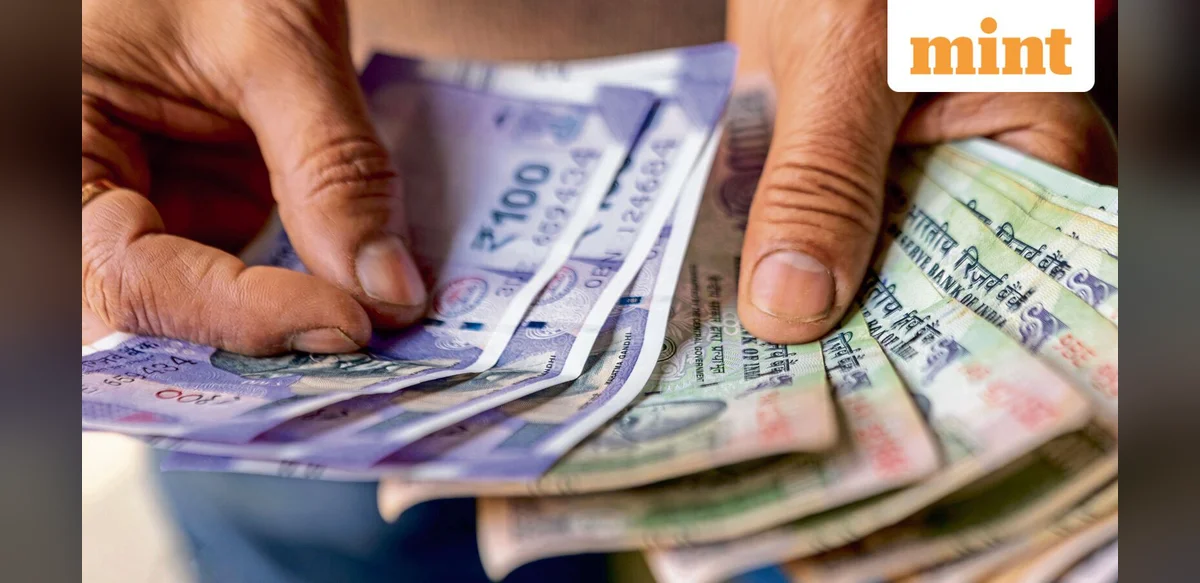
The Reserve Bank of India is revisiting plans to introduce polymer banknotes, a proposal first considered more than ten years ago. The move comes as printing expenses for paper currency climb and large numbers of damaged notes are removed from use each year. A pilot project is likely to be announced soon, following discussions at the central bank’s recent board meetings in Patna and Mumbai. Initial tests would probably focus on lower-value notes such as the ten- and twenty-rupee denominations, which wear out quickly.
Polymer notes are made from a thin, flexible plastic material instead of the cotton-based paper used for standard currency. They remain lightweight and foldable like paper but offer greater resistance to dirt, moisture and tearing. This durability allows them to stay in circulation longer. They can also include advanced security elements such as transparent windows, micro-optic holograms and special inks that are harder to replicate.
The economic argument rests on reduced replacement costs over time because fewer notes need to be reprinted. Recent data show printing expenditure rose to 6,372.8 crore rupees in the year ending March 2025, compared with 5,101.4 crore rupees the prior year. At the same time, 23.8 billion soiled notes were withdrawn in that period, up 12.3 percent from the previous year. The five-hundred-rupee note accounted for the largest share of discards, followed by the hundred-rupee note. Currency in circulation reached a record 42.86 trillion rupees by mid-May, an 11.5 percent increase from a year earlier.
India conducted an earlier trial in 2012, approving one billion ten-rupee polymer notes for testing in five cities with different climates. The effort was later abandoned because of handling issues and problems with ATM recognition. Current technology is reported to have resolved those difficulties.
More than sixty countries already use polymer notes in full or in part. Australia introduced the first such note in 1988, followed by Canada, the United Kingdom, Singapore, Malaysia, Thailand, Indonesia, Romania, New Zealand and Vietnam. Most adopting central banks cite longer life, lower costs and stronger security features. The RBI plans to start with a limited pilot before any wider change, beginning with frequently used lower denominations. Broader adoption would depend on pilot results, operational readiness and public response.

