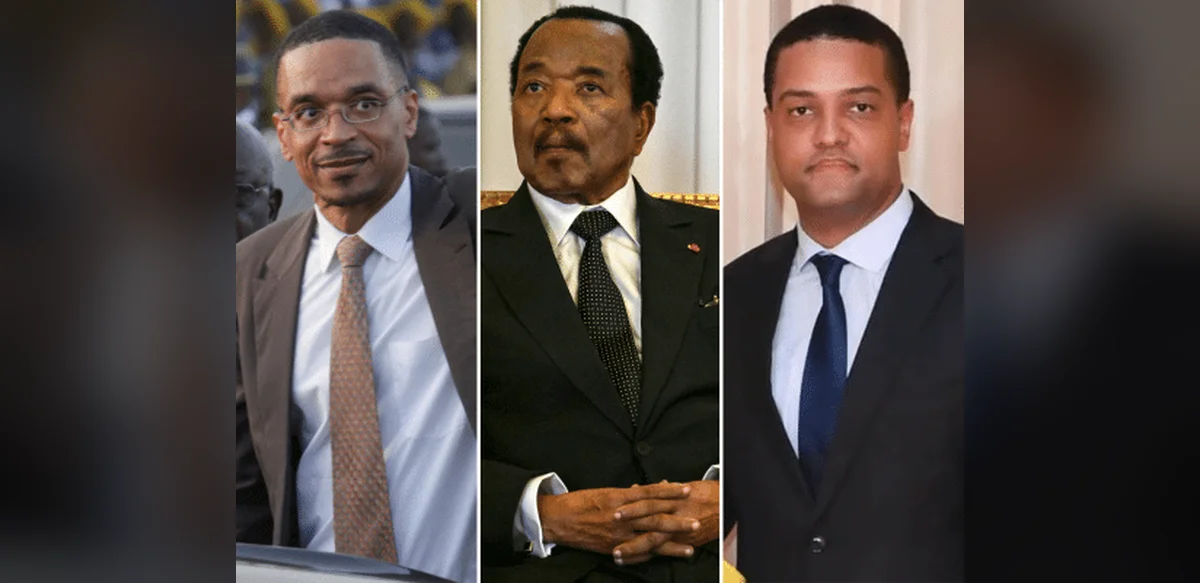
Since assuming power in Cameroon 44 years ago, Paul Biya has governed without a vice-president. The position was eliminated in 1972 during the shift from a federal to a unitary state. At age 93, the world’s oldest head of state has backed a constitutional change restoring the role. Parliament approved the amendment in April, allowing the president to appoint a vice-president who would assume office if the president dies or becomes incapacitated, serving until the end of the seven-year term. Critics argue the move aims to establish a hereditary transfer of power to either Biya’s son Franck or his stepson Franck Hertz. Possible candidates also include senior officials such as Ferdinand Ngoh Ngoh and Louis-Paul Motazé. Opposition leader Maurice Kamto condemned the change as creating a “republican monarchy” based on nepotism. Public discussion of Biya’s health remains restricted, yet his long absences have prompted questions about who exercises authority. Ngoh Ngoh holds signatory power to act on the president’s behalf. Neither son has held public office, though Hertz has joined official trips abroad and Franck Biya joined the ruling party in 2023. Similar family successions have occurred in Equatorial Guinea, Gabon and Chad. In Cameroon the amendment has revived debate, including claims by a businessman asserting he is Biya’s eldest son. Parliamentary elections remain postponed and cabinet formation is delayed, leaving governance in limbo.