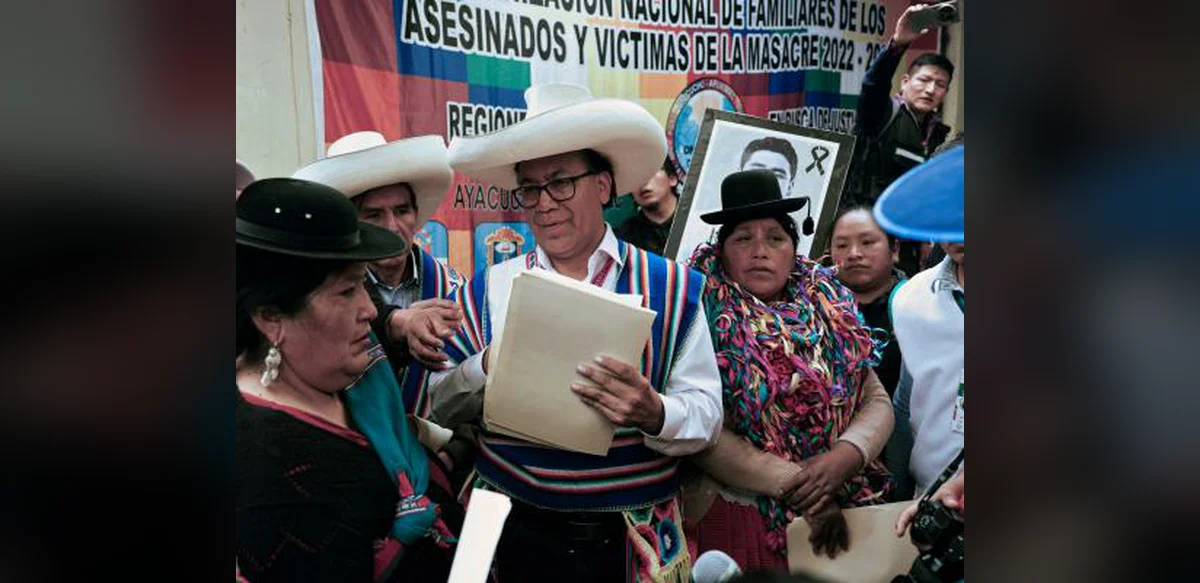
Peruvians head to the polls on Sunday for a runoff election matching a longtime right-wing contender, Keiko Fujimori, against leftist lawmaker Roberto Sánchez. With rising crime, repeated political upheaval, graft cases and widespread voter fatigue, the pair seek to become the country’s ninth president in ten years. Fujimori, daughter of former leader Alberto Fujimori, secured 17 percent in the April first round. Sánchez, a onetime trade and tourism minister, captured 12 percent and narrowly defeated ultra-conservative ex-Lima mayor Rafael López Aliaga. The contest revives the polarized left-right matchup from the 2021 vote. It marks Fujimori’s fourth presidential bid and possibly her strongest opportunity. She entered politics at 19 as first lady after her parents separated during her father’s authoritarian 1990s rule. Sánchez, 57, served under populist former president Pedro Castillo and has embraced his legacy, drawing rural backing including by wearing Castillo’s signature hat. Castillo was removed in December 2022 after attempting to dissolve congress and govern by decree; he received an 11-year sentence for rebellion in November 2025. Sánchez has gained support in the rural Andes, where many back Castillo and view his ouster as unjust. Surveys forecast a very close result, consistent with recent runoffs. An Ipsos poll released Thursday showed Sánchez at 43.8 percent and Fujimori at 43.2 percent. The campaign began with a record 35 candidates in April and concludes with two finalists representing just 29 percent of first-round support. Citizens feel exhausted and distrustful after eight presidents since July 2016, only three elected. The rest entered via an unrepresentative congress and often proved unfit. The most recent ousted leader, José Jerí, 39, faced influence-peddling charges involving Chinese business meetings and was succeeded by current head of state José María Balcázar, 83, known for backing child marriage. “Politicians have lost a lot of credibility, and very few people trust them any more,” said sociologist Santiago Pedraglio of Lima’s Pontifical Catholic University. “If voting weren’t mandatory in Peru, the abstention rate would be much higher.” Over six million Peruvians skipped the April first round despite fines, while another three million cast blank or spoiled ballots that would have won outright. “The level of popular discontent and mistrust was already high 20 years ago; now it’s through the roof,” Harvard professor Steven Levitsky told La República. Fujimori inherits her father’s legacy; he died in 2024 after 16 years imprisoned for authorizing kidnappings and killings during the “war against terrorism.” Despite strong anti-Fujimori sentiment, she has leveraged his tough-on-crime image amid surging extortion and homicide rates. Some voters worry she would run an authoritarian government that undermines separation of powers, Pedraglio noted. Her Popular Force party holds the most congressional seats and recently restored the bicameral legislature. Sánchez raises concerns he would deliver not only a left-wing administration but an incompetent one like Castillo’s. He vows to free Castillo, whom he calls a coup victim, restore power to the people and draft a new constitution, though he dropped plans to dismiss central bank chief Julio Velarde. “The time has come for the true rebirth of our nation: a sovereign, just nation built from the foundations of the Peruvian people,” Sánchez told foreign reporters.