


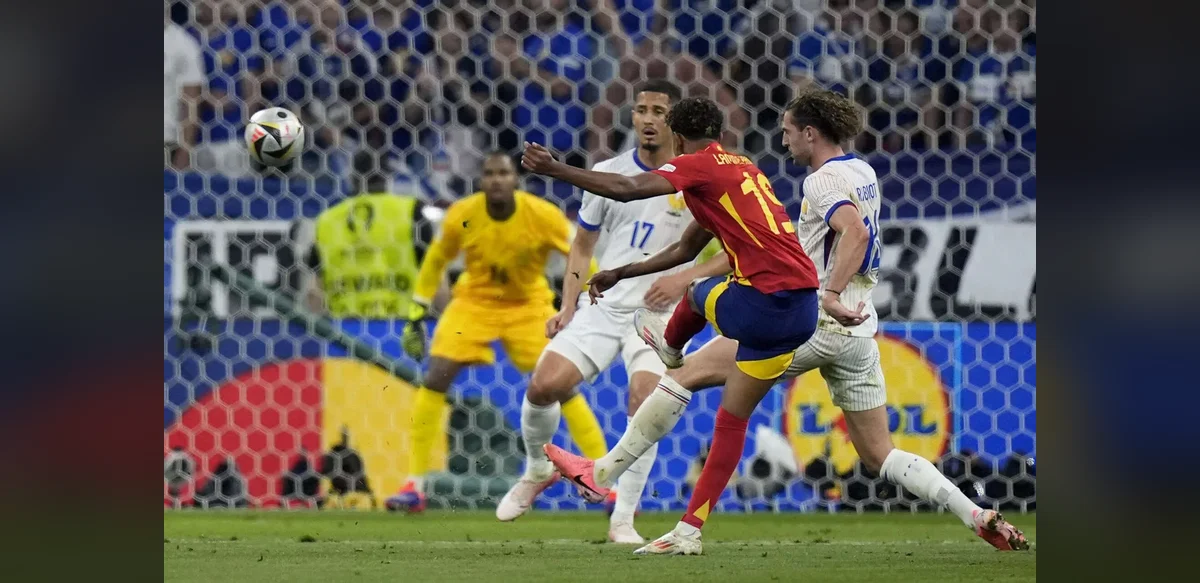
The FIFA World Cup differs from other major events. The Olympics cover 32 sports and focus on headline contests, some lasting under ten seconds. The ICC Cricket World Cup draws limited interest outside about a dozen nations. In six of the twelve Test cricket countries, football attracts larger followings. Yet the football tournament creates such drama that even lower-ranked nations like India devote unusual hours to watching top teams struggle or underdogs succeed.
Each recent edition has faced forecasts of trouble. Brazil 2014 involved disputes between FIFA and authorities over tickets, alcohol rules, and unfinished venues. Russia 2018 raised questions about spectator and official treatment. Qatar 2022 highlighted heat and worker conditions. The 2026 tournament has already encountered notable friction with officials and participating teams.
Ticket and hotel costs remain high. Political appearances have also surfaced. FIFA awarded its new Peace Prize shortly before related geopolitical developments. Still, history shows the event regularly produces standout performances that capture attention worldwide.
Unexpected results, individual brilliance, and dramatic turns have defined past tournaments. Senegal defeated France in 2002. Cameroon’s Roger Milla shone in 1990. Diego Maradona delivered memorable displays in 1986. The 2026 edition will feature 104 matches ending July 20, and similar moments may emerge.
Hosting rights have sometimes served image purposes for governments. This year most games occur in one host nation. Viewers remain aware of broader global challenges, yet the tournament often creates shared moments that transcend those concerns.

