


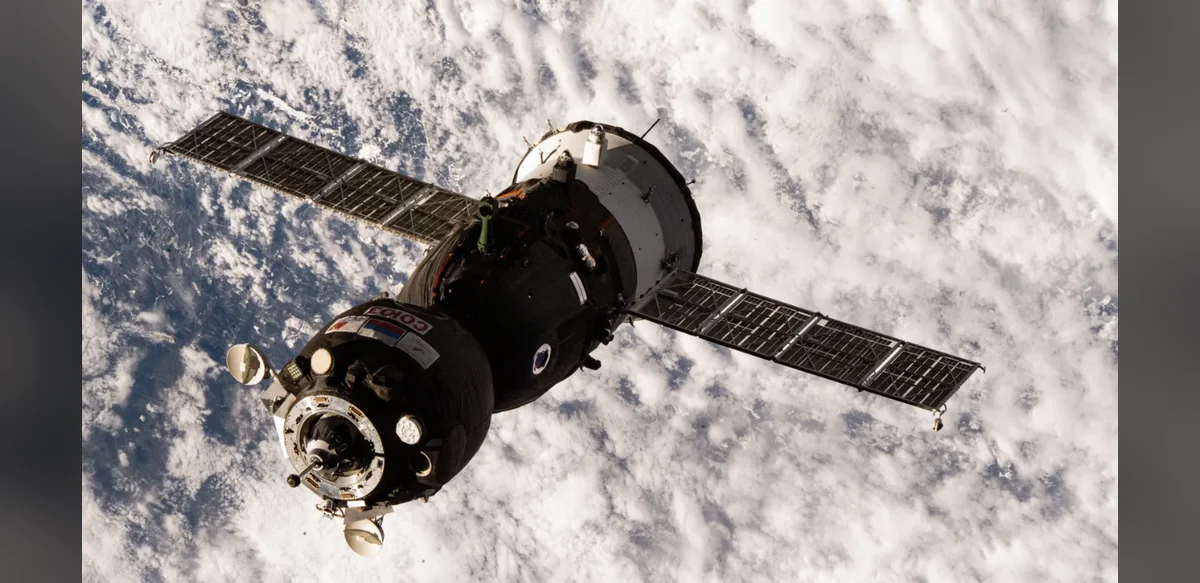
On 30 June 1971, recovery teams in Kazakhstan reached a Soyuz capsule that seemed to have completed a smooth return from orbit. The craft had separated from the first space station, endured re-entry, used its parachutes, and touched down as scheduled. Yet opening the hatch revealed all three crew members had died.
The Soyuz 11 incident stands as the sole case of human fatalities occurring in space above the atmosphere. More than five decades later, with Soyuz MS-29 set to launch on 14 July 2026 carrying Russian cosmonauts Pyotr Dubrov and Anna Kikina plus NASA astronaut Anil Menon, the event continues to influence crewed missions.
Records list it as the deadliest accident in crewed spaceflight history. The loss prompted major revisions to spacecraft design and safety rules, while also prompting a rare show of respect between Cold War adversaries.
The crew of Georgi Dobrovolsky, Vladislav Volkov, and Viktor Patsayev lifted off on 6 June 1971. They became the first people to occupy Salyut 1, where they performed experiments and set a new record for time spent in orbit during their 23-day stay.
After finishing their tasks, the cosmonauts undocked and began the return. No problems were reported during descent. The module re-entered normally and landed in the Kazakh steppe. Recovery staff expected to meet returning heroes but instead found the three motionless in their seats.
Investigators later determined that a pressure valve opened prematurely at roughly 168 kilometres altitude, causing sudden loss of cabin pressure. Without pressure suits, the crew lost consciousness within seconds and could not be saved, though the spacecraft completed its automated landing sequence.
The disaster led Soviet engineers to pause crewed Soyuz flights and introduce mandatory pressure suits for launch and landing, a requirement still followed. The United States expressed public condolences, and NASA representative Thomas Stafford attended the funeral, an act viewed as helping ease tensions and support later joint projects such as the 1975 Apollo-Soyuz mission.
Those changes remain evident in Soyuz MS-29, which will transport its international crew to the International Space Station for an eight-month stay. The mission underscores how procedures developed after the 1971 loss continue to guide operations today.

