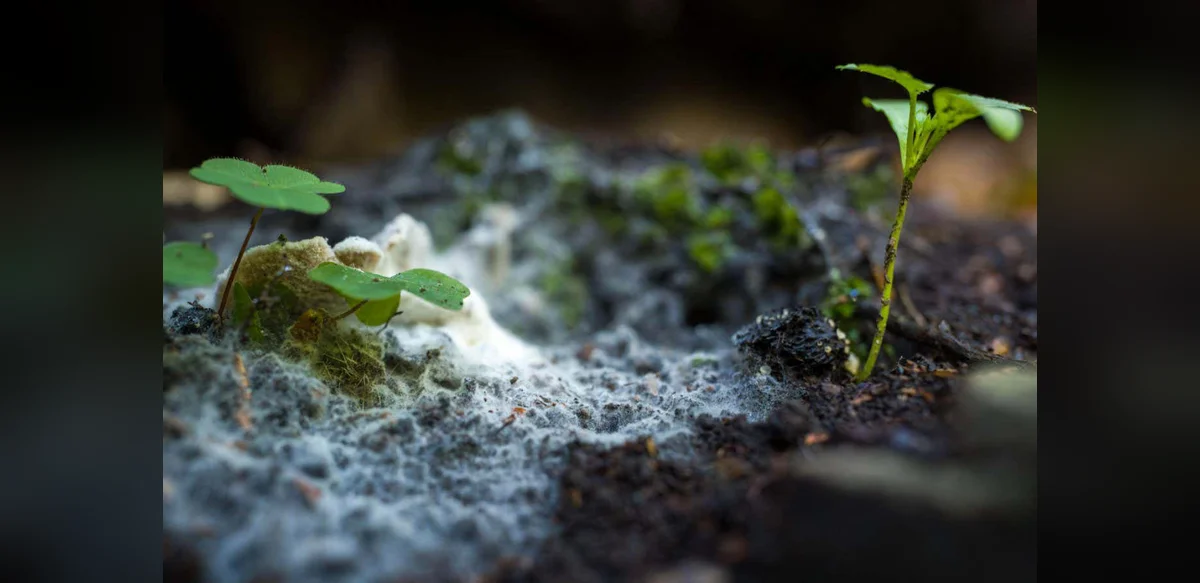
Soils worldwide contain extensive fungal networks that interact with plant roots and play a key role in ecosystems. A new global digital map has quantified these mycelial structures for the first time. Arbuscular mycorrhizal fungi form partnerships with roughly 70 percent of plant species, supplying water and nutrients while receiving carbon. Researchers analyzed 16,000 soil samples from prior studies and used lab imaging of fungal threads to estimate total biomass and stored carbon. The findings indicate these networks hold a carbon mass about five times that of all humans. Grasslands, especially in South Sudan, the Florida Everglades and the Tibetan plateau, contain around 40 percent of the fungi. Cropland soils show about 50 percent lower network density, likely due to fungicides, tillage and fertilizers. An interactive map was released with the study to display worldwide distribution.