


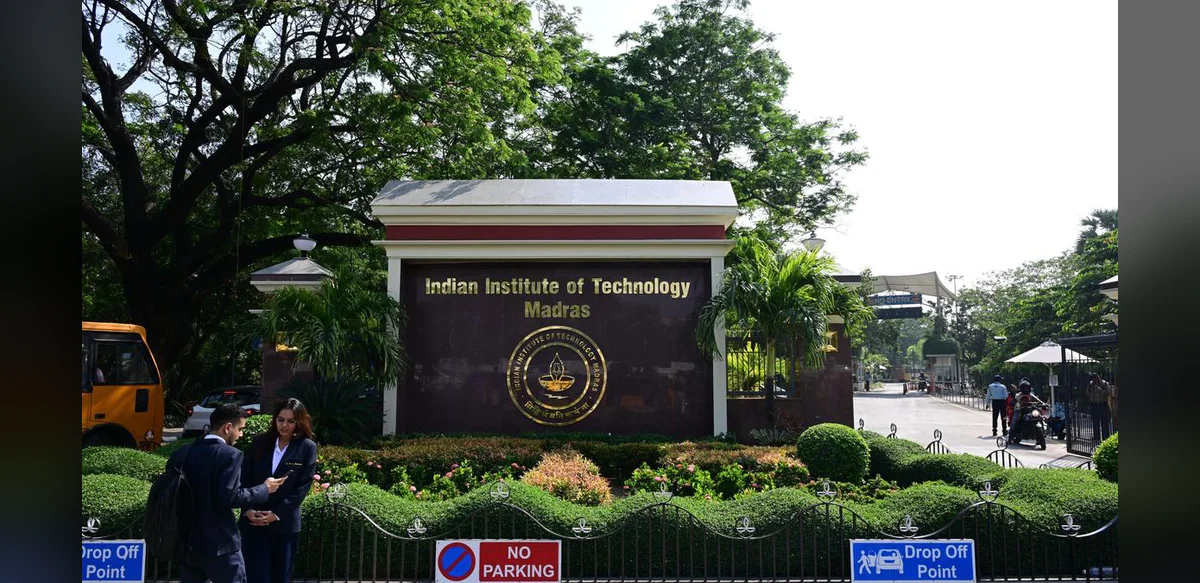
The Indian Institute of Technology Madras has published a high-resolution three-dimensional atlas of the human brainstem. This resource provides scientists with a detailed view of this intricate brain area.
Created by the Sudha Gopalakrishnan Brain Centre, the atlas known as ANCHOR integrates MRI scans, tissue studies, and chemical mapping. It covers development from prenatal stages through childhood to adulthood.
It includes reconstructions of over 200 brainstem nuclei and fiber pathways from numerous tissue slices. Multiple staining techniques were applied to more than 500 sections to distinguish various cell types based on their chemistry.
The atlas is available online for global researchers and medical professionals.
It was presented at the third BRICS Neuroscience Symposium 2026 at the institute. The Principal Scientific Adviser noted its potential for studying brainstem injuries and medical uses.
The tool links large-scale volume information with cellular details for easy exploration from overall structures to fine details.
The centre intends to develop similar maps across all ages and for various brain disorders.

