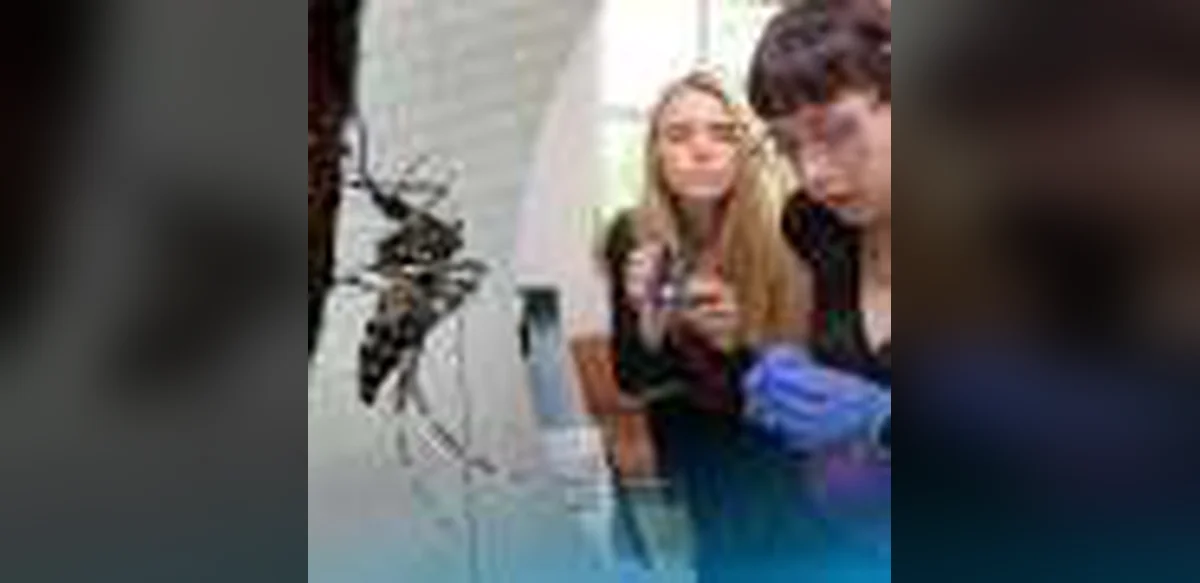
The study, examined under Science X review standards, emphasizes key aspects for reliability. University researchers collaborated with federal agriculture scientists to examine miniature tracking devices known as harmonic radar tags. These tools use radio signals to monitor insect paths. The work focuses on mosquitoes, widely disliked insects that appear in large numbers during warmer months and spread illnesses including West Nile, Zika, and malaria. Experts aim to study their natural movement to develop better population controls and limit disease spread. Medical entomologists seek improved readiness for public health and lower rates of insect-transmitted illnesses affecting people and livestock. Tracking small creatures in natural conditions has proven difficult compared with larger animals. Prior approaches involved traps or scent detection but yielded limited results due to insect size. Harmonic radar tags, employed since the 1980s on beetles, moths, and similar species, offer a low-cost handmade option with two wires and a diode. Attached to insects, the tags allow free flight while a handheld receiver detects signals. Tests showed the method works on mosquitoes despite their smaller scale. Female tiger mosquitoes received tags glued to the thorax. Experiments occurred in laboratories, screened enclosures, agricultural plots, and shaded park zones. Releases followed by systematic searches recorded flight distances and heights, with some reaching two meters in fields before landing lower. The approach provides new data on mosquito behavior in real environments.