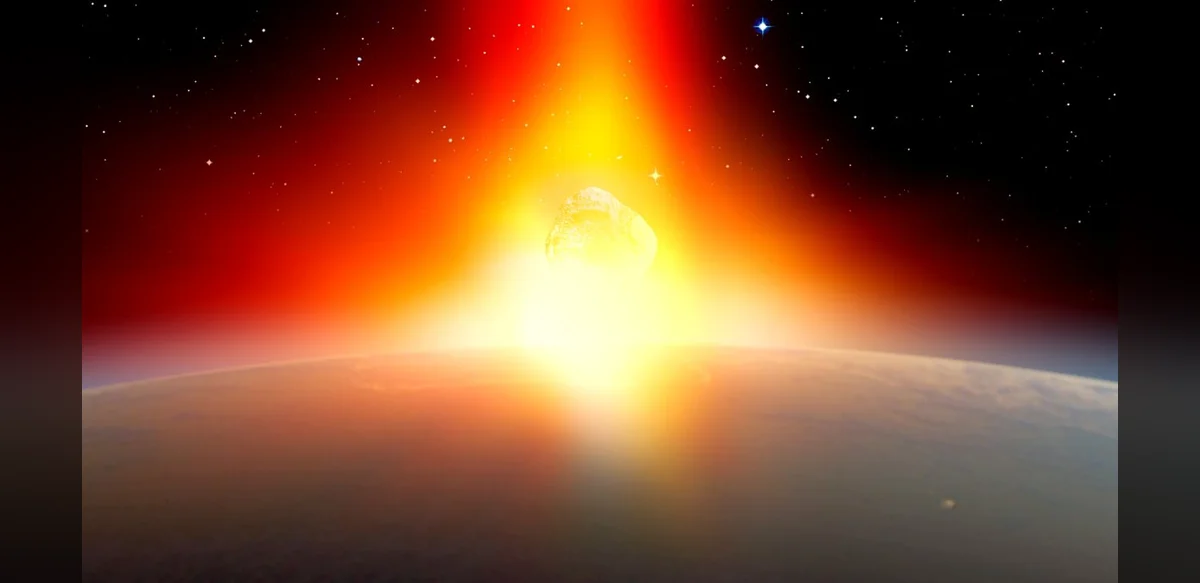
When scientists disagree, the truth sometimes lies in between. This proved accurate for the age of an impact crater in the remote scrublands of Western Australia’s Pilbara region. The team that found the North Pole Dome structure, also called Miralga, first dated it to roughly 3.47 billion years, older than any known impact evidence. A second group disputed this, suggesting the crater formed less than 2.77 billion years ago. The original researchers then examined tiny crystals in the impact rocks and concluded the event occurred about 3.024 billion years ago, confirming it as Earth’s oldest recognized crater. The new date places the impact in the Archean period, when Earth’s crust, oceans, atmosphere, and early life were developing. It remains the only confirmed Archean crater. Earth shows far fewer craters than the Moon or Mars because erosion and geological activity have erased most traces over time. Most identified craters are younger than 2 billion years. Before this discovery, the oldest accepted site was the Yarrabubba crater in Western Australia, dated to 2.23 billion years. The North Pole Dome no longer resembles a typical crater after billions of years. The Pilbara region preserves some of the least altered Archean rocks, including ancient lava flows and early life evidence. Researchers identified shatter cones, distinctive fracture patterns formed by impact shockwaves. They refined the age by analyzing zircon crystals that recorded an event around 3 billion years ago and confirmed it with apatite crystals dated to about 3.019 billion years.