


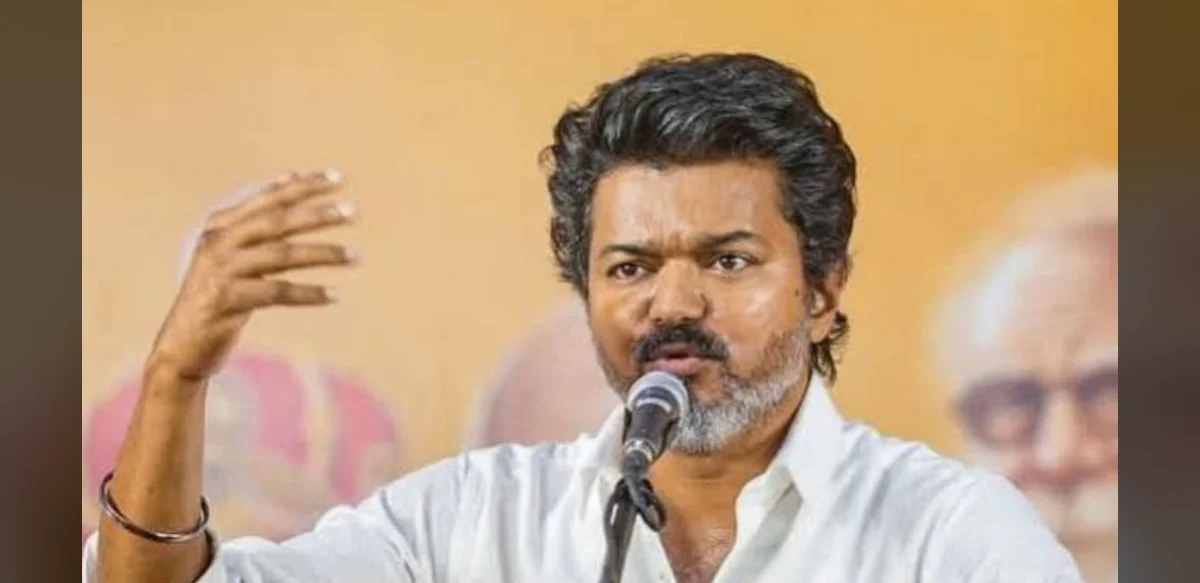
The Tamil Nadu government under Chief Minister C Joseph Vijay has petitioned the Supreme Court to overturn a Madras High Court decision permitting the lighting of Karthigai Deepam at a stone pillar called Deepathoon on Thirupparankundram Hill near the Sikandar Badusha Dargah.
This move continues a long-running conflict that began as a local religious issue and evolved into extended litigation over faith, property ownership, public safety and judicial oversight of rituals on one of the state’s most sensitive hills.
Court documents show the state submitted its appeal on June 11 via counsel B Karunakaran, contesting a January 6 ruling by the Madurai Bench. That decision upheld an earlier December 1, 2025 order by Justice G R Swaminathan instructing the Subramaniya Swamy Temple to conduct the lamp-lighting ceremony during the annual festival.
The case originated from a petition by Rama Ravikumar and others requesting permission to light the lamp at the pillar near the hill’s summit.
The prior DMK administration had resisted the plea, warning that the pillar’s closeness to the dargah could spark communal unrest and threaten public order. Officials argued that approving the ritual risked reviving tensions in an area where a Hindu temple and Muslim shrine have long coexisted.
Justice Swaminathan dismissed these worries, calling the state’s fears “ridiculous” and noting it was difficult to accept that limited temple representatives lighting a lamp once a year on temple land would disrupt peace. He suggested any disturbance would require state involvement and urged authorities against such actions. The judge ruled that allowing a small group to perform the rite posed no major administrative burden.
A Division Bench largely agreed, describing concerns over unrest as an “imaginary ghost” created for convenience. It affirmed the pillar stands on temple property and stated the Tamil Nadu Waqf Board lacked standing. The bench also criticized the board’s late claim that the pillar belonged to the dargah, labeling it a “mischievous” argument raised only on appeal.
The court faulted the administration for missing a chance to promote dialogue, suggesting district officials should have used the situation to foster negotiation between communities.
The High Court’s ruling followed months of litigation and political activity. The state had repeatedly warned that lighting the lamp could cause disturbances due to the pillar’s location. Courts consistently rejected those claims.
The dispute involves access, ownership and historical practices around the pillar. The Supreme Court petition will now examine the High Court’s findings on public order, religious customs, administrative conduct and the Waqf Board’s role.

