


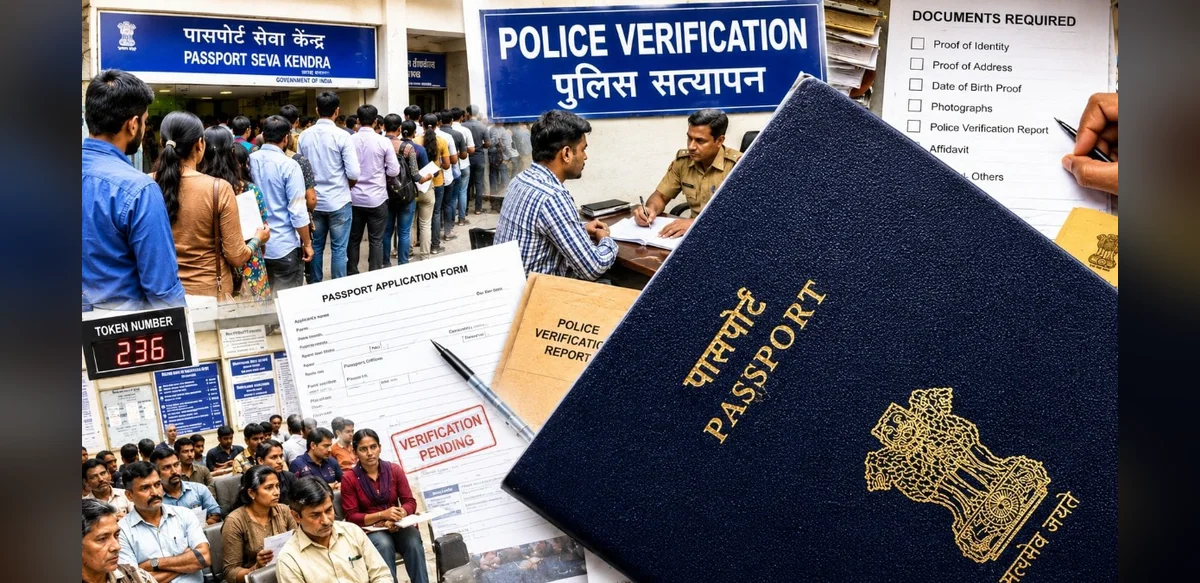
In recent months, questions about what defines Indian citizenship have gained attention. On Wednesday, the central government reaffirmed a long-standing position: an Indian passport, despite strict verification, does not constitute proof of citizenship. This clarification aligns with prior legal understandings and should not surprise the roughly 10 percent of Indians who hold passports.
Passports function primarily as travel and identity documents issued to nationals for use abroad. Government guidelines describe them as such, distinguishing them clearly from citizenship certificates. Under the Passports Act of 1967, authorities must deny passports to non-citizens, yet Section 20 permits issuance to non-citizens when deemed in the public interest. Passports remain government property and can be recalled at any time.
Court rulings have reinforced this distinction. In 2013, the Bombay High Court observed that documents including birth certificates, passports, and Aadhaar cards may not suffice to establish citizenship for individuals born after July 1, 1987. The court denied relief in a case involving alleged illegal immigrants who presented such documents. More recently, in Babu Abdul Sardar vs the State of Maharashtra, the same court held that citizenship matters fall under the Citizenship Act of 1955 and cannot be settled solely through identity papers such as Aadhaar, PAN, or voter ID cards.
The government reiterated this legal stance during Passport Seva Divas on June 25. No single national document conclusively proves citizenship in India, unlike systems in some other countries. Voter ID cards confirm electoral enrollment, PAN cards support tax compliance, and ration cards enable welfare access. The Supreme Court has noted that Aadhaar establishes identity but not citizenship, as it can be issued to non-citizen residents.
The Union Home Ministry has declined to list specific valid documents for proving citizenship, referring instead to the Citizenship Act of 1955. The Act outlines citizenship by birth under defined conditions, leaving other questions to case-by-case examination.

