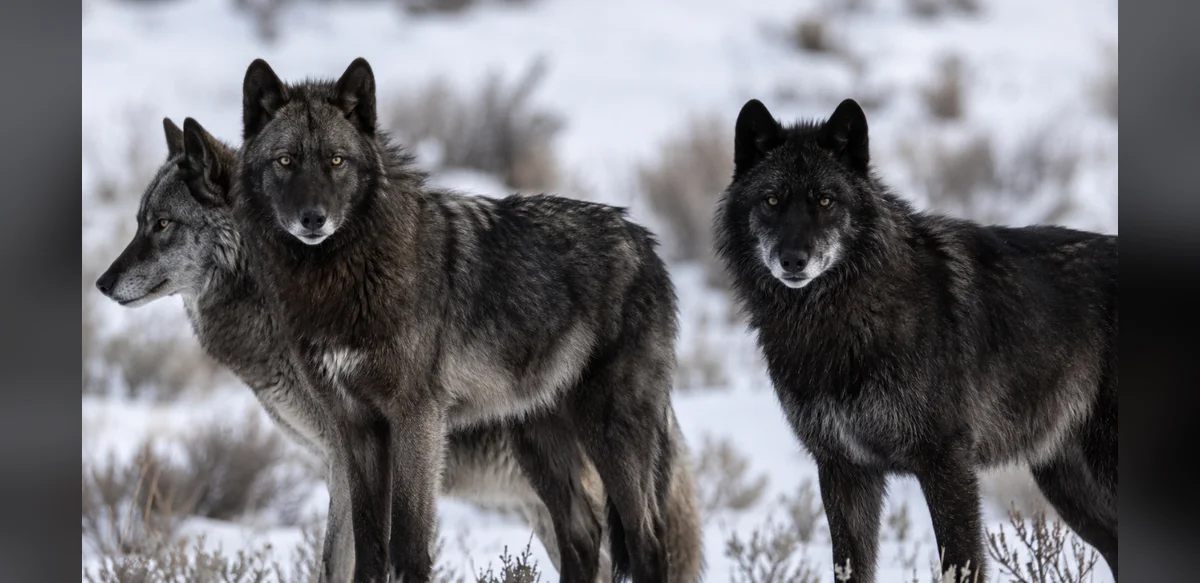
In 1995, Yellowstone National Park launched a conservation effort by reintroducing 14 grey wolves after nearly 70 years of absence. Many ecologists initially credited the move with sparking a major ecological rebound through a trophic cascade, in which predators limit herbivores and allow plant life to recover. Three decades on, fresh studies indicate the process is more complex than the popular account. While wolves have affected the park, researchers now point to additional influences such as bears, cougars, human hunting, climate shifts and changes in herbivore numbers. Elk herds grew after wolves vanished in the early 1900s, leading to heavy grazing on young trees along waterways. After the 1995-1996 releases, elk numbers fell and their movements changed, coinciding with regrowth of willows, aspens and cottonwoods. A review in Biological Conservation noted tri-trophic effects involving wolves, elk and certain plants. Wildlife biologist Douglas Smith likened the shift to a pebble starting an avalanche under the right conditions. Later work also connected wolf return to more beaver colonies and better habitats for birds, fish and scavengers. Recent analyses, however, argue that other predators and environmental factors share responsibility. One study found that drops in elk density, rather than fear alone, drove most vegetation gains and stressed the part played by cougars and grizzly bears. Ecologist Daniel MacNulty noted that simple cascade accounts overlook these other hunters. Climate patterns, drought, bison growth and park management have likewise shaped outcomes. Scientists still agree wolves contributed meaningfully to observed changes, with ongoing data showing continued recovery of trees and wildlife. The current understanding holds that the original narrative was incomplete rather than false, illustrating how recovery stems from many interacting forces over long periods.