


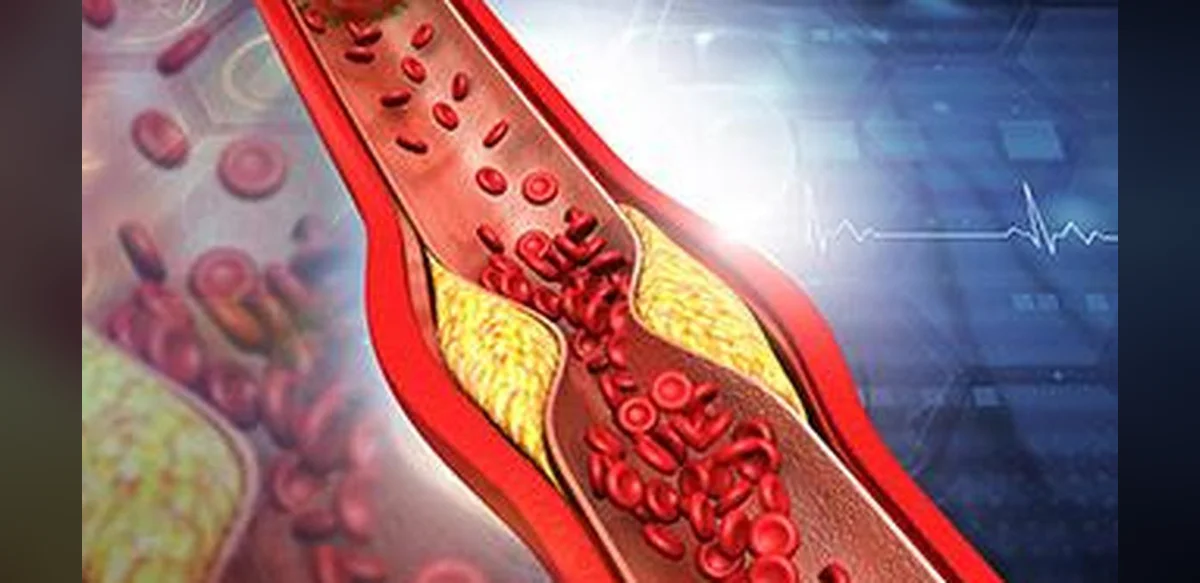
For years cholesterol has been viewed as a major dietary threat. Frequent warnings have linked it to artery blockages and heart attacks. Current research however shows a more complex situation. Cholesterol plays a necessary role in body functions and the main concerns involve imbalances along with modern lifestyle and dietary shifts in India.
Cholesterol forms a waxy substance made by the liver. It supports cell structure, hormone creation including oestrogen and testosterone, and vitamin D production. Life depends on it in proper amounts. Issues arise when levels exceed safe ranges especially certain forms tied to vessel narrowing.
In India elevated cholesterol now ranks as a significant public health matter. Heart related conditions lead causes of death and increasingly affect younger adults. Factors include reduced movement, high stress, processed items, limited activity and loss of older eating patterns.
The distinction between helpful and harmful cholesterol relates to transport particles in blood. Low-density lipoprotein moves cholesterol toward tissues and excess amounts raise vessel narrowing risks. High-density lipoprotein clears surplus cholesterol back to the liver for removal.
Many people in India face problems from daily habits and food choices. Older diets featured millets, beans, vegetables, fermented items and seasonal produce alongside regular movement. Urban areas now rely more on packaged snacks, baked goods, sweetened drinks, fried items and refined carbs combined with little activity. Studies indicate sugar and refined carbs can raise harmful particle production in the liver.
Ghee offers one case. It faced long criticism as risky fat. Earlier generations used it in moderation with active routines and less processed meals and stayed generally well. Current main risks include trans fats, reused oils from street vendors, processed meats, high sugar intake and inactivity.
Some individuals show no outward signs yet hold unsafe levels. Genetic factors make Indians more prone to abdominal fat and conditions like diabetes. Office workers with long sitting hours, reliance on delivery meals and little movement face higher chances than active people eating traditional fats in balance.
Progress requires focus on overall balance. Recommendations now stress fibre sources, whole grains, nuts, seeds, beans, fruits and suitable fats. Local items such as ragi, jowar, green gram, horse gram, fermented batters and vegetable rich dishes help maintain healthy levels. Coastal fish with omega-3 fats like sardines and mackerel also aid heart function.
Physical activity matters equally. Walking, yoga, cycling, swimming and routine household tasks raise helpful levels and lower circulating harmful fats.
Cholesterol concerns reflect lifestyle and social patterns as much as medical ones. The key point is to neither dismiss nor fear it without reason. Rather than seeing it as a threat in every traditional fat or egg, broader health habits deserve attention including fewer processed items, more movement, older dietary knowledge, lower stress and routine checks.

