


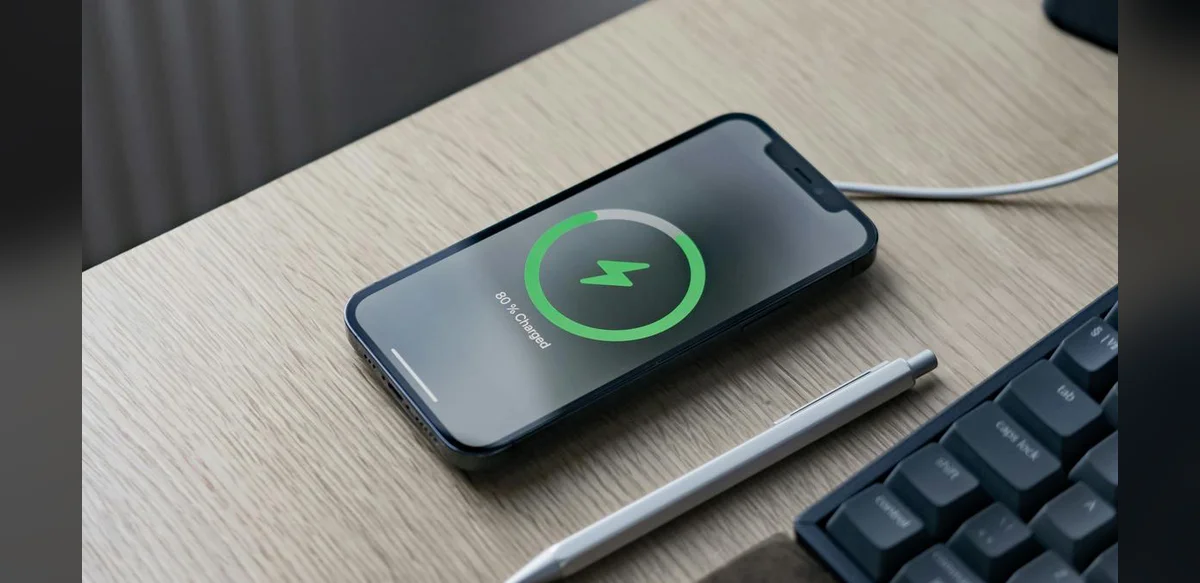
Although it may seem intuitive, smartphone battery performance does not always improve in cooler conditions. These devices rely on lithium-ion batteries, which function by shuttling lithium ions between electrodes via a liquid electrolyte.
During cold periods, such as winters in northern India, the electrolyte’s conductivity decreases, slowing ion movement and raising internal resistance. Heavy usage can then cause rapid voltage drops, leading the device to activate power-saving features prematurely.
In contrast, summer heat enhances chemical activity for easier power delivery. However, elevated temperatures accelerate harmful reactions that diminish capacity over time.
Smartphones monitor battery temperature continuously. Excessive heat from rapid charging, intensive use, sun exposure, or insulating cases can halt charging for safety. Very high temperatures risk metallic lithium deposition, potentially causing failure.

