


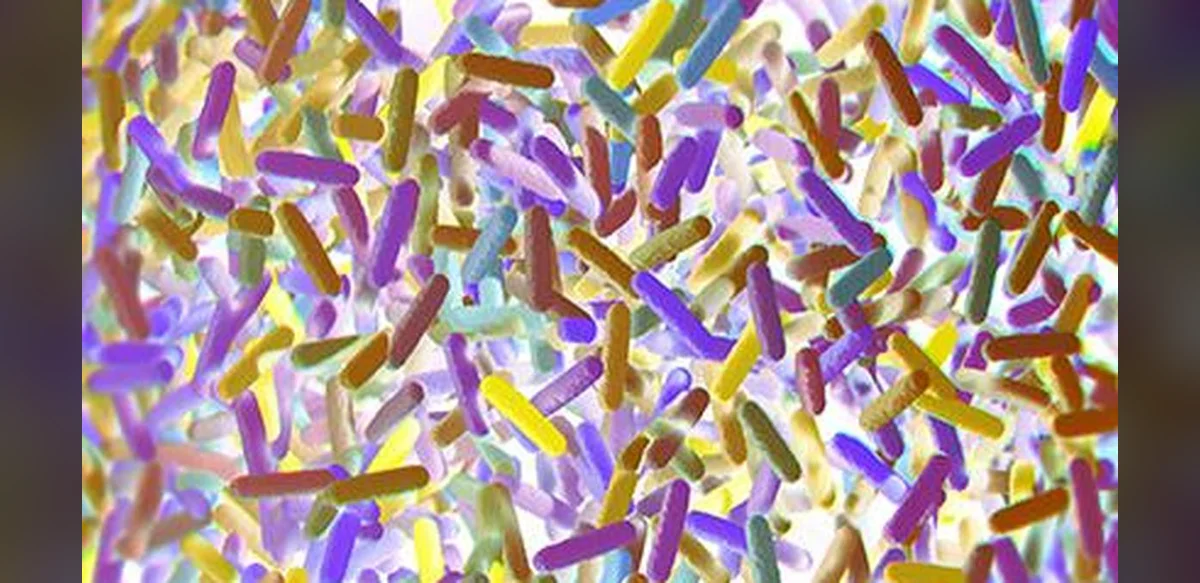
A study describes a mechanism in mice through which psychological stress can alter the gut microbiome and thereby increase the risk of health conditions including heart disease and diabetes.
Findings published in the journal Cell Stem Cell show that psychological stress speeds up aging-like changes in the body’s blood-forming stem cells in the bone marrow, known as hematopoietic stem cells, by altering the intestinal microbiota.
“Our research shows how stress-responsive brain regions regulate the balance of the intestinal microbiota, which ultimately affects the function of hematopoietic stem cells,” said senior author Meng Zhao of Sun Yat-sen University in Guangzhou, China.
The team noted that previous studies have shown chronic stress can influence immune function and immune cell formation in the bone marrow through inflammatory pathways and adrenergic receptors, which drive the body’s fight-or-flight response.
However, how the stress signals were transmitted from the brain to the bone marrow was unclear, the team said.
Four varied mouse models of stress were analyzed to study interactions among the brain, intestine, and bone marrow.
Chronic stress was found to reduce activity in two brain regions: the medial prefrontal cortex, which integrates emotional and cognitive information, and the periaqueductal gray, important for pain modulation.
The reduced brain activity in turn induced a number of changes in the physiology of the mice, including loss of hematopoietic stem cells and reduced lymphocyte production, the researchers found.
They also observed changes in signals sent to the intestines. For example, the stressed mice had a loss of Lactobacillus reuteri, a species important for maintaining a healthy balance of gut microbes, and lowered levels of spermidine, a naturally occurring compound crucial for clearing out damaged cells.
“One surprising finding of our study was that suppression of only two specific brain regions was sufficient to produce many of the hematopoietic defects caused by psychological stress,” said author Linjia Jiang, also of Sun Yat-sen University.
“Alterations in the gut microbiota and in the microbial metabolite spermidine played a crucial role in mediating communication between the brain and the bone marrow,” Jiang said.
How psychological stress alters the neural circuits in different disease settings and whether similar mechanisms operate in humans are some of the questions that remain and the team plans to study.
They may also look at whether interventions could be developed to improve bone marrow function in aging or during times of chronic stress.
The findings provide a conceptual framework for developing new approaches to mitigate immune ageing and stress-associated immune dysfunction, Zhao said.
“Our findings raise the possibility that managing psychological stress may not only improve mental well-being but also help preserve immune function and promote healthy aging,” Jiang said.

