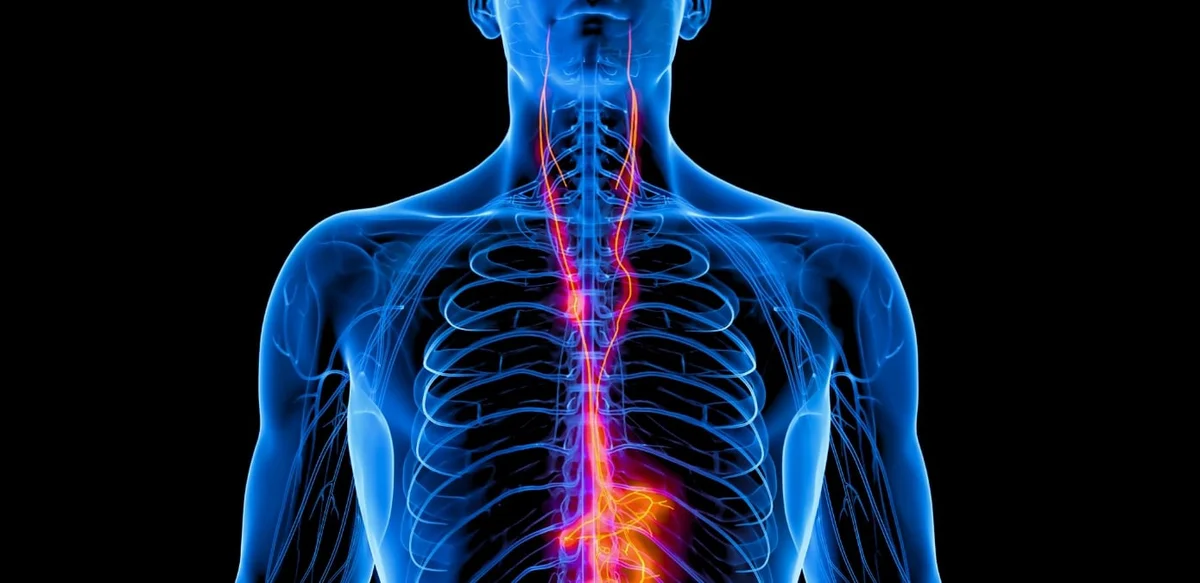
Depression impacts over 300 million individuals worldwide, and standard therapies succeed for many patients. Finding an effective medication or counseling approach may require several tries, after which symptoms typically lessen and daily life improves. Yet roughly one-third of those affected see no benefit from conventional options. Even successful treatments can lose effectiveness over time. Fresh data from a large clinical study indicate that a compact implanted device may deliver sustained relief for certain individuals with severe, treatment-resistant depression. Researchers observed patients improving and maintaining gains, according to psychiatry specialist Charles Conway at Washington University in St. Louis. The approach, known as vagus nerve stimulation, or VNS, involves placing a pacemaker-sized unit beneath the chest skin. A slender lead links it to the left vagus nerve, sending regular low-intensity electrical signals. In research published in the International Journal of Neuropsychopharmacology, Conway and collaborators reported that VNS yielded prolonged symptom reduction for participants who had endured severe depression, often for decades. The vagus nerve extends from the brainstem through the neck and torso to the abdomen, linking the brain with the heart, lungs, and digestive organs. The RECOVER trial included 493 U.S. participants, each with at least four unsuccessful prior treatments; the average was 13 failed attempts, and most had spent more than half their lives managing the condition. Devices were implanted in all, yet only half were activated during the initial year, creating a control group. Earlier reports noted encouraging symptom changes among those receiving active stimulation. The latest analysis examined 214 patients who started with active VNS and tracked whether gains persisted into the second year. Most maintained or increased benefits. Even partial improvement can transform daily existence for people with chronic disabling depression, Conway noted, and the advantages appear durable. Roughly 69 percent showed meaningful progress on at least one scale after 12 months; among them, over 80 percent sustained or enhanced results at 24 months across symptom, quality-of-life, and functioning measures. Of those achieving at least 50 percent symptom reduction by year one, 92 percent continued benefiting at two years. One in five participants reached full remission by the end of the study period, an outcome uncommon in such resistant cases. Participants averaged 29 years with depression, and three-quarters could not work. The group is considered the most severely affected treatment-resistant cohort studied to date. Notably, about one-third of those without early improvement later responded by month 24, suggesting benefits may emerge gradually. The trial received funding from device manufacturer LivaNova, which holds a commercial stake in the results. Findings aim to support a coverage determination by the U.S. Centers for Medicare and Medicaid Services, which does not currently reimburse the therapy. The U.S. FDA approved VNS for treatment-resistant depression in 2005.