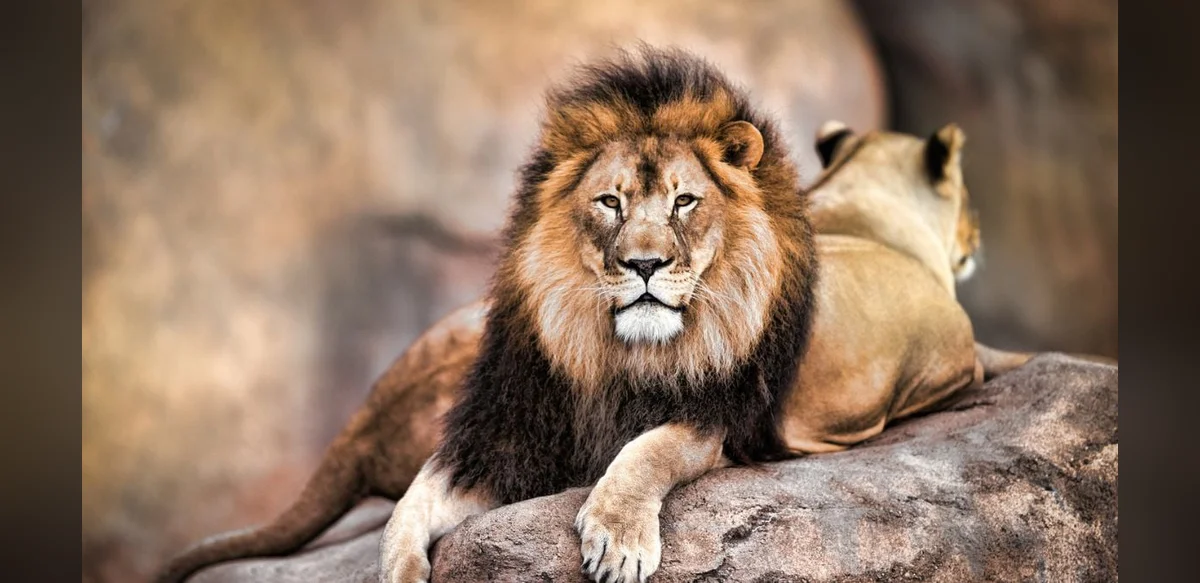
Lions possess powerful builds suited for hunting, yet studies of African wildlife show that most species react with greater alarm to another presence. Research conducted in South Africa’s Greater Kruger National Park found that 95 percent of observed mammals fled waterholes more often upon hearing human voices than lion calls or hunting noises. The experiments, led by ecologists from Western University, broadcast local languages along with lion vocalizations and compared animal responses. Nearly all 19 species tested, including elephants and rhinos, showed stronger avoidance of human speech. Similar patterns emerged in Australia, where marsupials avoided human sounds more than other predators despite shorter coexistence. The findings indicate that fear of people is widespread across continents and can affect population levels over time. Conservation efforts may use recorded human conversations to deter poaching in vulnerable areas.