


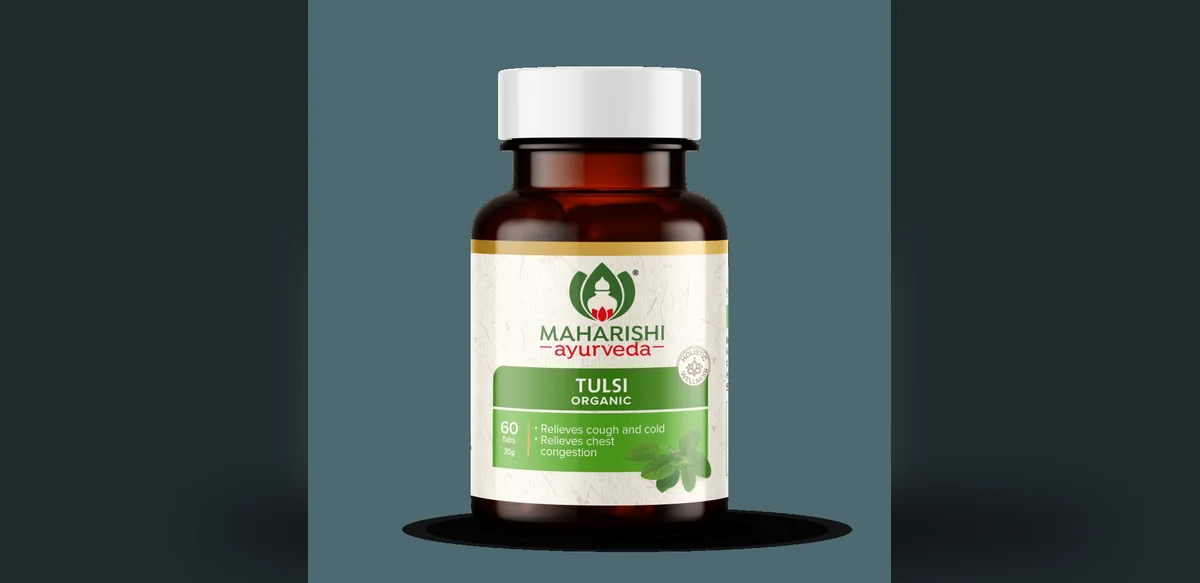
Tulsi, known scientifically as Ocimum sanctum or Ocimum tenuiflorum, occupies an important place in Indian culture for both spiritual and medicinal reasons. Ancient Vedic and Ayurvedic texts describe it as a symbol of divine energy linked to Goddess Lakshmi. Traditionally planted in home courtyards and offered daily prayers, it is thought to cleanse the environment, uplift mood, and balance physical energies.
Tulsi supports immunity and eases cough, cold, and congestion, with Krishna Tulsi noted for higher eugenol levels. It functions as an adaptogen that may reduce stress and improve mental calm. The herb is also said to purify blood, help clear skin issues, reduce dandruff, and aid liver function. It can support digestion, lessen bloating, and assist blood-sugar regulation.
Common forms include tea, powder, fresh juice, or extract. Leaves may be chewed or applied to skin. In India, Tulsi remains a cultural symbol of purity and protection, with families continuing daily rituals around the plant.
Three main varieties exist. Rama Tulsi has bright green leaves and a milder taste suited for cooling and skin care. Krishna Tulsi shows purplish leaves and stronger respiratory effects. Vana Tulsi grows wild, offering adaptogenic and antioxidant qualities.
Key compounds include eugenol, ursolic acid, rosmarinic acid, plus vitamins C and A and minerals such as iron and calcium. These elements together contribute to its reported immune, antioxidant, and anti-inflammatory actions.
Reported benefits include natural immune support, relief from respiratory discomfort, stress reduction, skin and hair care, and digestive balance. Users should consult a health professional before regular use, especially if pregnant or taking medication.

