


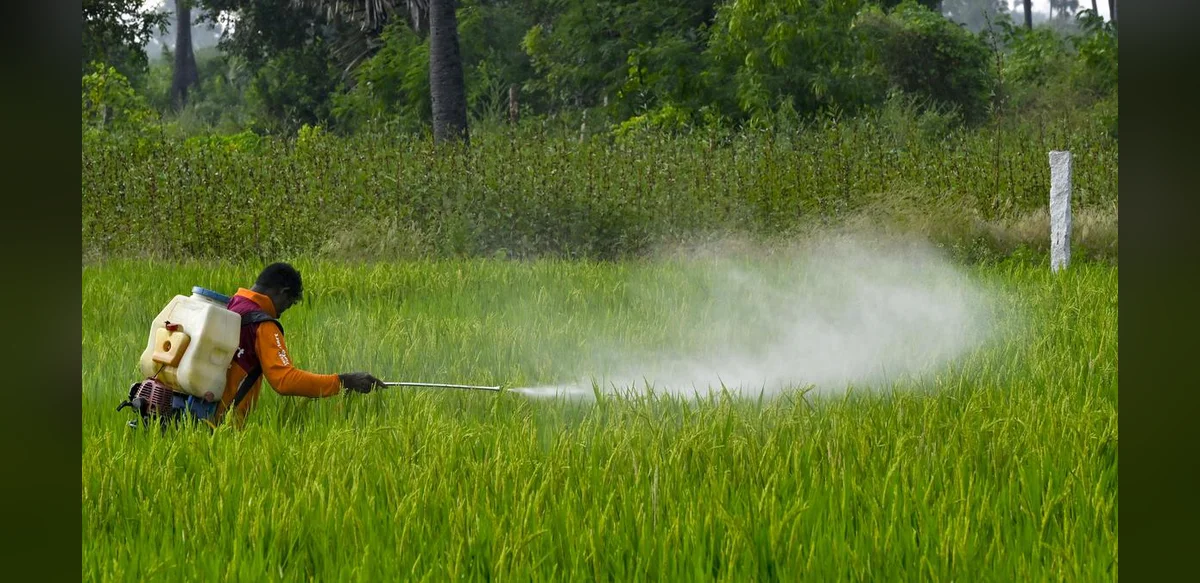
Pesticide traces reach people through multiple routes each day, including vegetables, drinking water, and household air. India’s main monitoring programs do not combine these measurements into a single assessment.
An incident in an Orissa village in 2008 showed how leftover pesticide entered a damaged water line and caused illness in dozens of residents, with two deaths recorded. Official reviews treated it as a one-time local event. Similar separate handling applies to the three main exposure routes of food, water, and air, which are viewed as occasional rather than ongoing nationwide issues.
Regions such as Punjab’s Malwa area report high cancer rates linked to long-term agricultural chemical use. Studies in Kerala detected endosulfan remains in soil long after applications ended. Runoff in Bihar and eastern Uttar Pradesh affects rivers used for drinking. Urban homes add further exposure through repellents and sprays that maintain steady chemical levels indoors.
Government testing of over 23,000 food samples in 2017-18 found residues in nearly one-fifth, with a small share above official limits. Later counts of more than 86,000 samples showed comparable results. Limits apply to individual items, yet typical meals combine several foods whose separate amounts stay below thresholds while the total intake goes unmeasured.
Groundwater supplies much of India’s drinking water, with annual extraction reaching about a quarter of the world total. Reports note nitrate pollution in roughly one-third of tested wells nationally and higher shares in certain districts. Pesticide traces appear alongside these pollutants in farming belts and river basins used for both irrigation and household supply.
Residues can persist for decades, as seen with endosulfan in Kerala, where health data showed increased rates of neurological issues and birth defects. Additional chemicals have been found in water across multiple states. Authorities have banned or removed dozens of pesticides for safety reasons.
Air receives the least attention. Chemicals evaporate and move beyond treated fields, while indoor products such as sprays and treated paints release substances over extended periods. Indoor concentrations often exceed outdoor levels.

