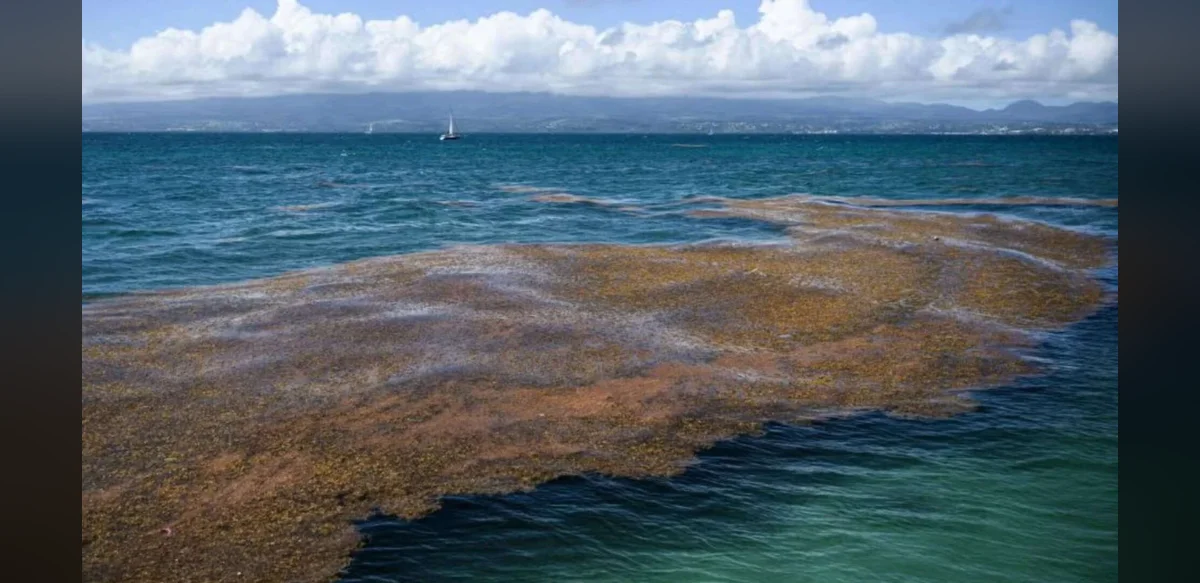
Sargassum is a type of brown macroalgae that floats freely in ocean waters. Once mostly limited to the Sargasso Sea, it now forms the Great Atlantic Sargassum Belt, a 5,000-mile stretch detected by satellites. In May, researchers measured 37.5 million tons of the algae between western Africa and the Gulf of Mexico. A study in the journal Science reported that the algae have grown at different rates over four decades, with early nutrients largely coming from the Amazon River. Scientists at Florida Atlantic University reviewed 40 years of satellite images, field data and chemical analyses. They traced the large bloom first seen in 2011, which has since become nearly annual. Historical records suggest Portuguese explorers noted similar events in the 15th century. In open water the algae support many marine species, yet near shore they create problems. Rotting mats release foul odors and hydrogen sulfide gas. They block access to beaches, harm tourism, lower oxygen levels and damage coral reefs. Cleanup requires repeated local efforts with limited success. Seasonal currents carry the algae from nutrient-rich Gulf waters into the open ocean. Recent shifts show more nutrients now arrive from land sources such as farm runoff and wastewater. Carbon content in the algae has also risen. These changes link land-based pollution to larger ocean blooms that affect coastal economies and public health.