


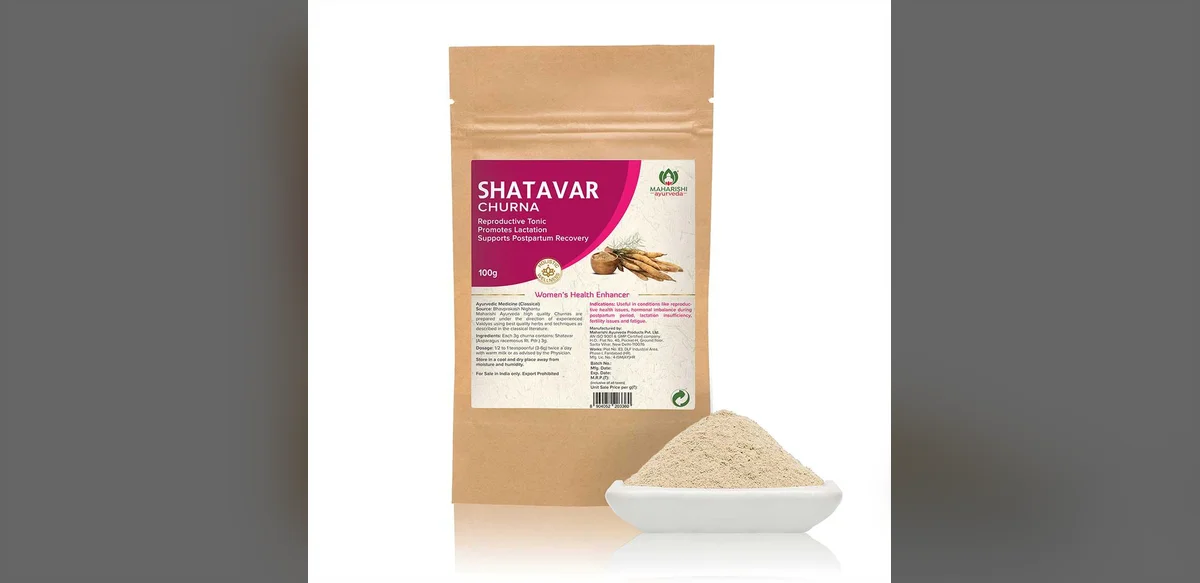
Shatavari, known scientifically as Asparagus racemosus, ranks among Ayurveda’s key rejuvenative plants. It has long been employed to nourish tissues, aid female reproductive functions, assist digestion, and foster general energy. Though noted especially for women’s care, traditional texts also note uses for men and broader vitality. This overview covers its customary applications, recommended amounts, precautions, and present research findings.
Key attributes include its botanical identity as Asparagus racemosus, Sanskrit designation Shatavari, classification as a Rasayana, cooling character, and primary roles in female wellness, digestion, immunity, and stamina. Forms include powder, tablets, capsules, and tea.
Summary of benefits shows support for hormonal balance, fertility, menopause relief, and lactation. It also aids stamina, metabolism, digestion, and nutrient uptake. Additional effects involve easing cough and asthma while improving memory, focus, and nervous system performance. It may enhance libido and semen quality plus aid postpartum recovery. The herb comes in powder or tablet form and works best with guidance for extended use.
Shatavari derives its name from Sanskrit terms implying a hundred cures or husbands, underscoring its tonic reputation. Roots serve as the main medicinal part. In modern contexts of stress and diet challenges, it offers nourishment and restoration.
Active elements comprise saponins for anti-inflammatory and immune effects, flavonoids such as quercetin for antioxidant action, sterols for hormonal and anti-inflammatory support, trace minerals including zinc and calcium, essential fatty acids, and other compounds like racemofuran. These contribute to its role across multiple body systems.
Ayurvedic qualities feature cooling, heavy, and unctuous traits acting on circulatory, digestive, reproductive, and respiratory tissues. Actions include antidiarrheal effects, diuretic support for urinary comfort, promotion of milk production, and soothing of inflamed membranes.

