


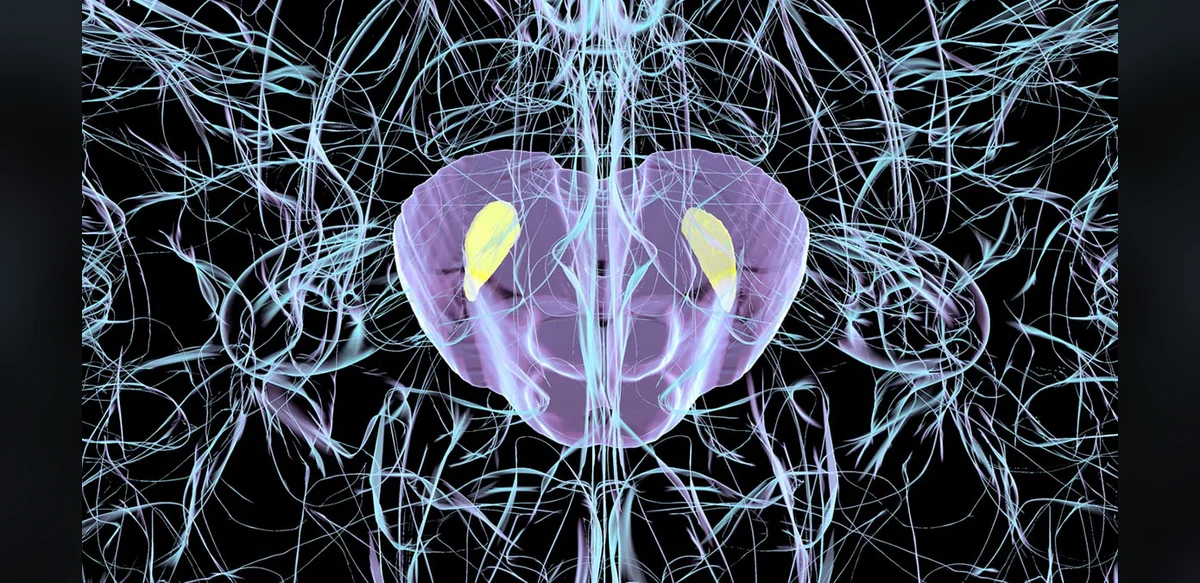
A longstanding theory suggests that certain viruses may destroy critical brain neurons, increasing susceptibility to Parkinson’s disease when combined with genetic or environmental factors. Historical support includes neurological complications observed after the 1918 influenza pandemic.
Researchers at Texas A&M University tested this idea using Theiler’s Murine Encephalomyelitis Virus in mice. The virus targets dopamine-producing neurons similar to those affected in Parkinson’s. Infected animals showed lasting motor deficits on coordination assessments even after the infection cleared.
These outcomes differed from standard mouse models that rely on genetic changes or chemical toxins to reduce dopamine neurons in the substantia nigra. The viral approach produced persistent movement problems over 20 weeks, indicating long-term effects from initial neuron loss.
Scientists note that viral models may better reflect how the disease arises in people, since not everyone exposed to toxins develops Parkinson’s. The findings suggest viruses could initiate damage that other factors later convert into full disease. The work appears in Brain, Behavior, and Immunity – Health.

