


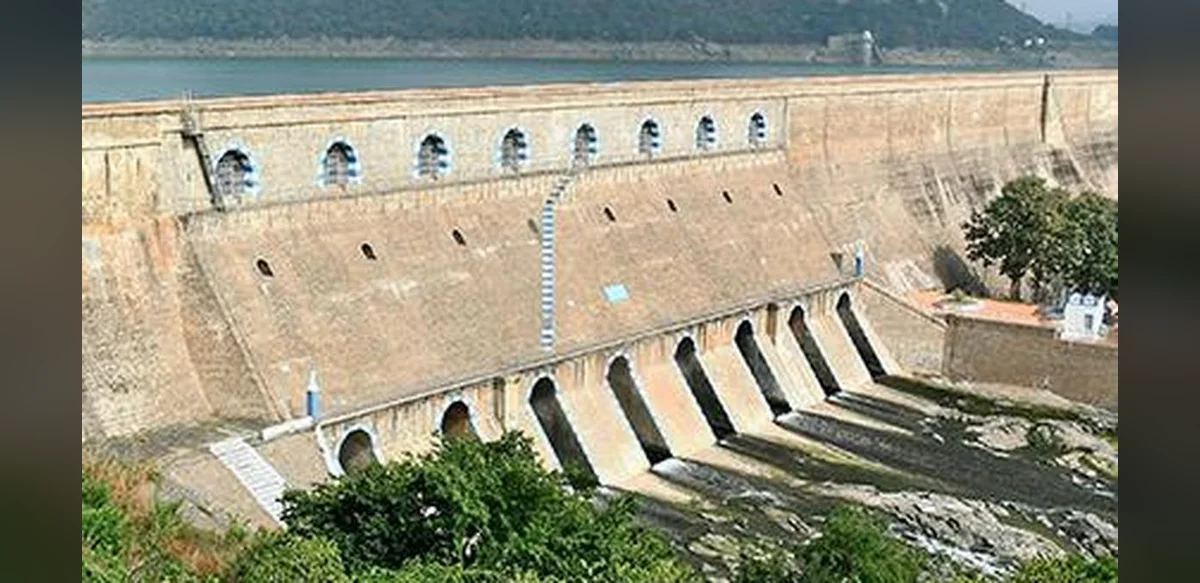
Satellite observations from 2013 to 2024 showed that 71 percent of 287 major U.S. dams changed water temperatures downstream. In most instances the water grew warmer and stayed that way for at least 20 kilometers. The largest changes appeared at dams with reservoirs. These temperature shifts can interfere with fish reproduction and damage aquatic life, particularly during spring and summer. The findings point to broad impacts of dams on river systems.
Scientists recorded a rare seafloor spreading event in the Indian Ocean. In April 2024, underwater instruments detected magma movement beneath the crust, a 4-meter drop in the seafloor, and more than 1 meter of separation. This led to an eruption that released 160 million cubic meters of lava across 16 days. Much of the motion occurred without strong quakes, likely because magma allowed the plates to separate smoothly.
Analysis of samples from an ancient latrine at Hadrian’s Villa in Italy revealed that Roman concrete strengthens over centuries. Lime in the mix combines with moisture and atmospheric carbon dioxide to form calcite that seals cracks. Unlike modern concrete that often weakens within decades, this material acts as a long-term carbon sink by converting the gas into solid rock.

