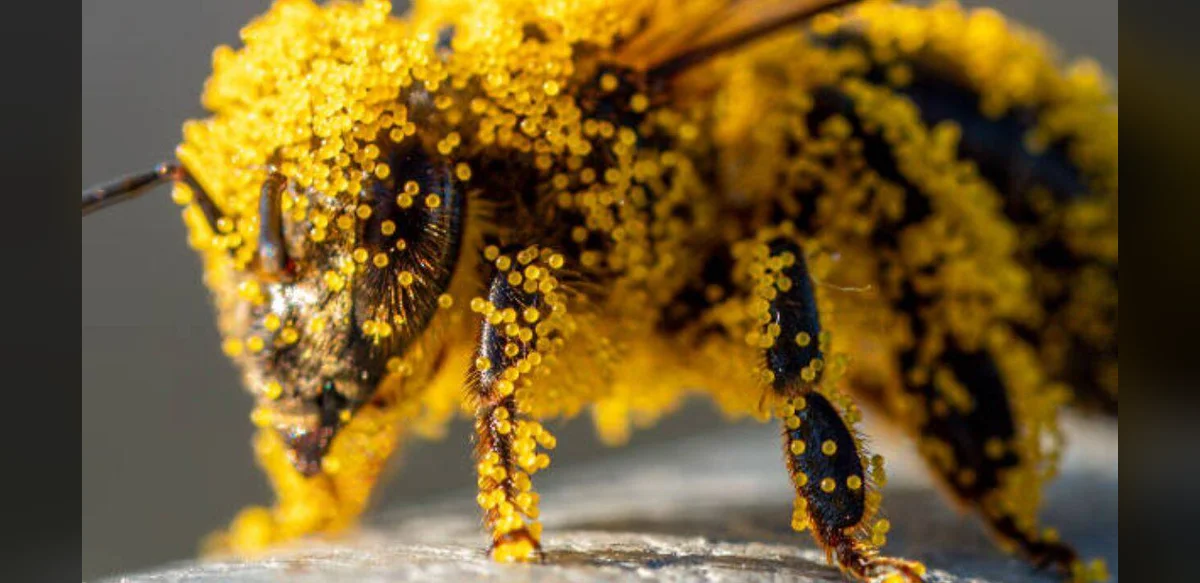
In 2008, 27-year-old Mellory Manning was murdered in Christchurch, New Zealand. Police suspected involvement by the Mongrel Mob gang but lacked proof of a connection to the site. Forensic palynologist Dallas Mildenhall analyzed pollen from the victim’s nasal passages and clothing. He identified unusual two-pored grains caused by herbicide exposure. Samples from the gang’s nearby warehouse matched these grains after the area had been sprayed. In 2014, gang member Mauha Huataki Fawcett was convicted and sentenced to life imprisonment. Pollen serves as durable microscopic evidence that resists decay and adheres to surfaces. It has been used in forensic cases since 1959 and is applied in several countries. Each plant species produces distinct pollen or spores that can indicate a specific location. The method remains uncommon because it requires specialized expertise and can be difficult for courts to interpret.